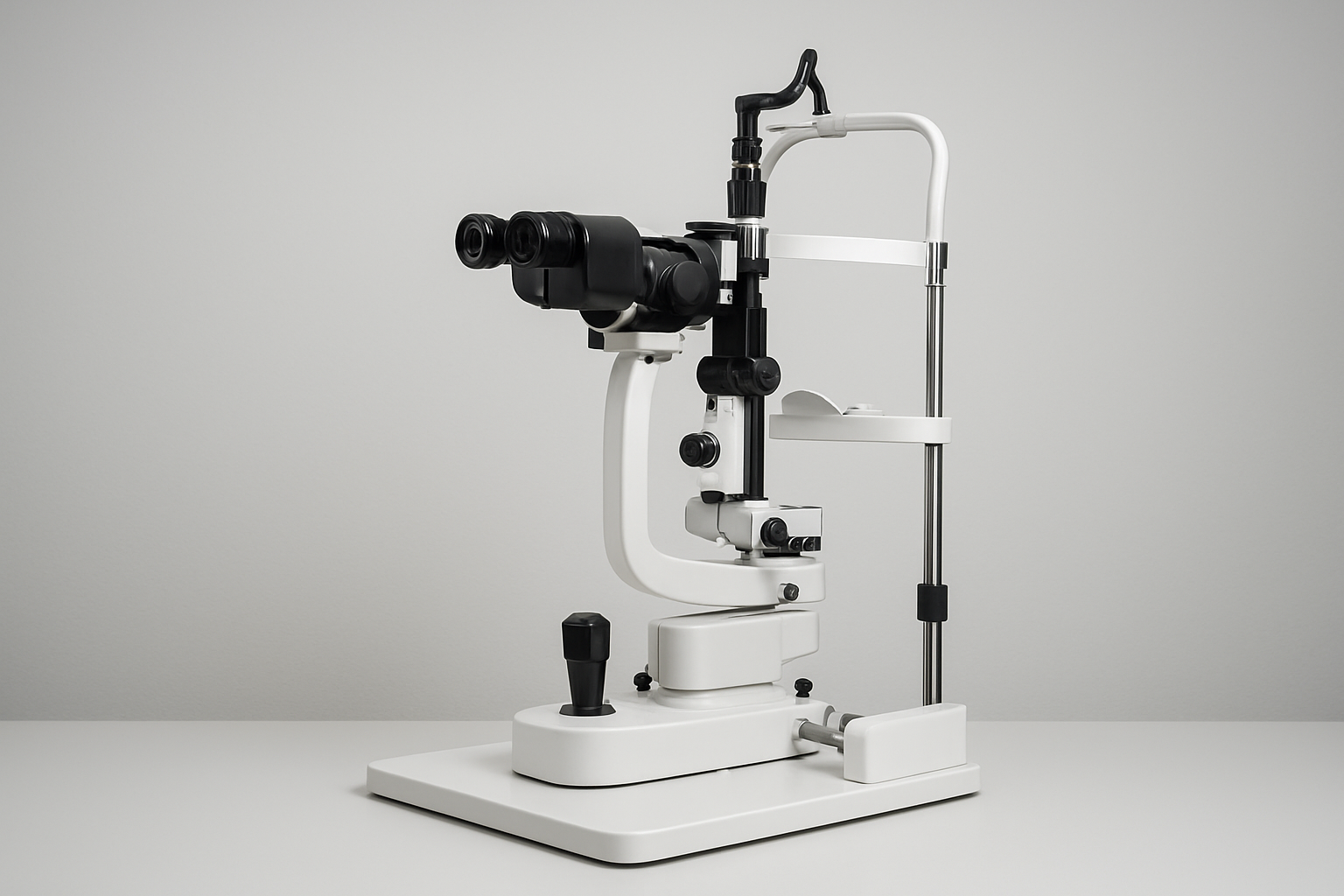
Buying a used slit lamp can save money while delivering performance comparable to a new unit, provided you inspect the key components before purchase. Start by examining the optics for haze, fungus or scratches that reduce clarity. Then verify that the illumination system provides even light and that the slit mechanism moves smoothly without wear. Confirm that the bulb type is still produced and that replacement parts are readily available. Finally, ensure the table and mount fit your lane dimensions and power supply, and review the seller’s warranty or service guarantee.
Why do used slit lamps hold their value when other equipment does not?
Used slit lamps retain value because their core is mechanical optics rather than electronic modules that become obsolete. The lenses, mirrors and adjustment gears wear slowly and can be cleaned or replaced without redesign. Hospitals and private practices keep these instruments in service for many years, creating a stable resale market. Demand remains steady as the technology does not change rapidly. A used slit lamp retains its value because the core optics stay functional for many years. Explore the diagnostic category for more information on equipment types. A well maintained unit therefore offers the same diagnostic capability as a new model while costing less. Regular cleaning of the lenses prevents haze buildup. Use only approved solutions and lint‑free cloths. Inspect the adjustment knobs for play; tighten if needed. Keep a log of any repairs performed. The resale market for refurbished slit lamps is strong because buyers know the optics are durable. Listings that highlight recent service and clean optics attract serious interest. A documented service history can increase the final price.
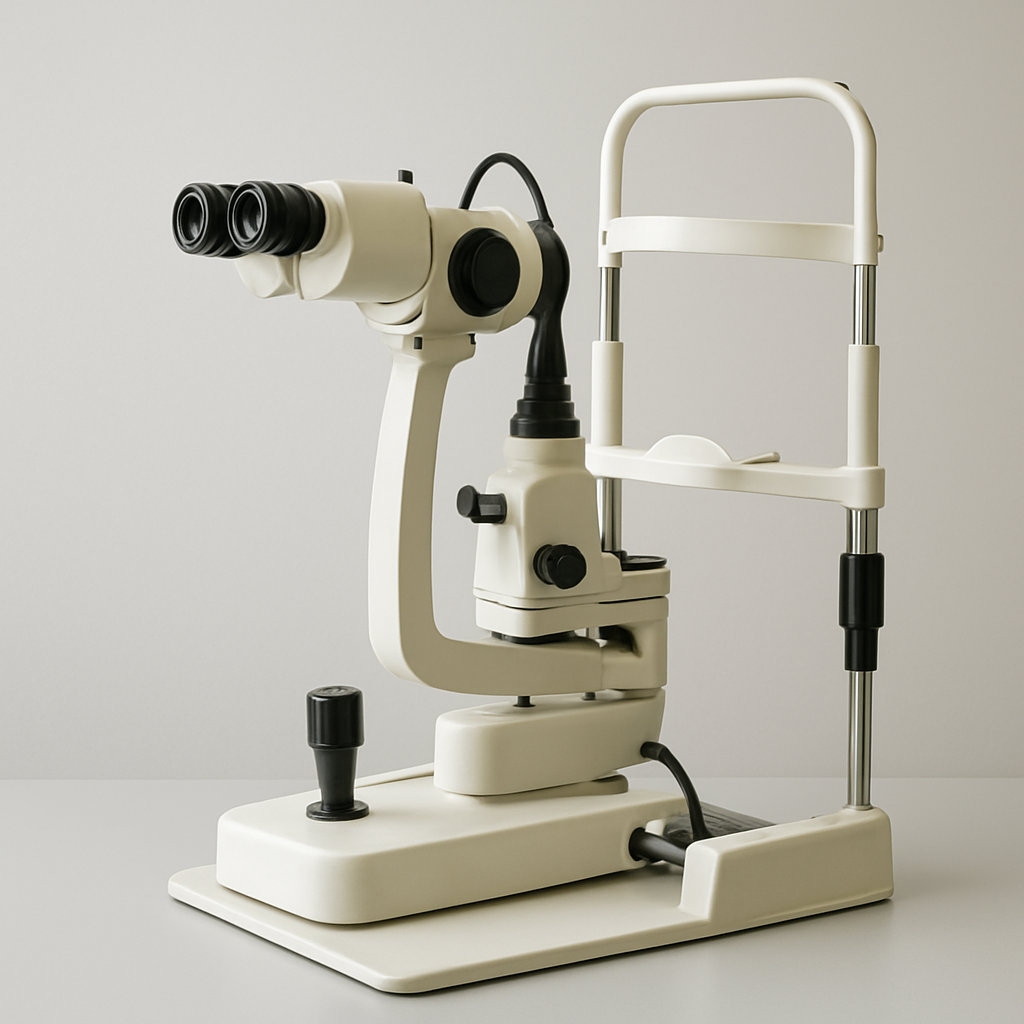
What should you check in the optics, illumination and slit mechanism of a used slit lamp?
First examine the optical train. Look for haze, fungal growth or surface scratches on the lenses and mirrors; any cloudiness reduces image clarity. Clean the surfaces gently with approved solutions if needed. Next test the illumination system. Turn on the lamp and observe the beam for uniform brightness and consistent color temperature. Check that the light intensity is even across the field and that no hot spots appear. Then inspect the slit mechanism. Move the slit from narrow to wide and listen for grinding or resistance. Verify that the adjustment is smooth and that the stop positions are repeatable. Finally, confirm that the bulb is the correct type and that the socket shows no signs of corrosion. Check the brands page to confirm bulb compatibility.
Will the bulbs, tonometer mount and accessories still be available in five years for a used slit lamp?
Bulb availability depends on the manufacturer’s product line. Some brands still produce the original lamp type, while others have discontinued it. Ask the seller which bulb model is used and request a current catalog to see if it remains in production. If the lamp uses a standard base, replacement bulbs are often sourced from third party suppliers. The tonometer mount is usually a separate accessory that attaches to the main column. Verify that the mount follows a common standard such as the 75 mm thread and that the specific model is listed in the manufacturer’s compatibility list. Accessories like foot pedals, chin rests and extra lenses are sold separately; check the parts catalog for the exact part number before you buy. Our medical device services can help verify the condition before purchase.
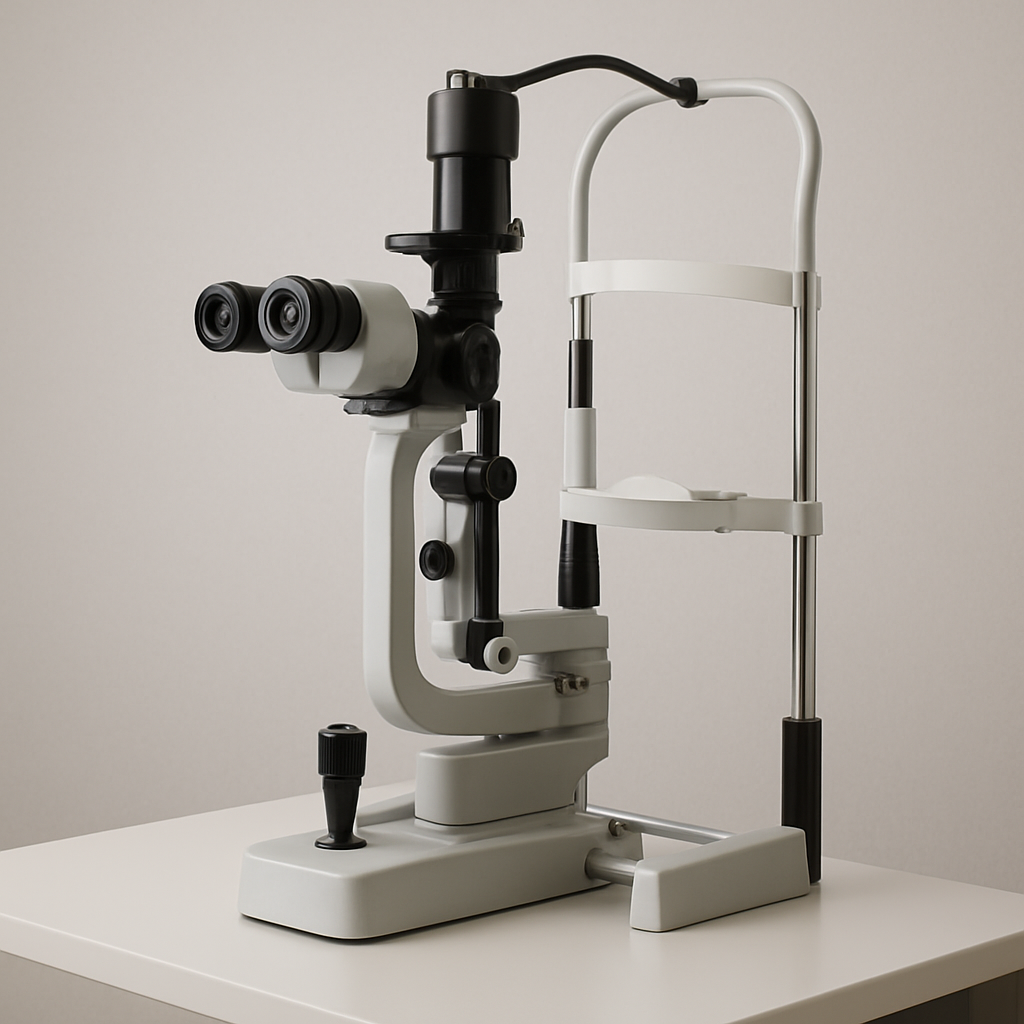
What table, power and lane requirements decide whether it fits your room?
Measure the lane opening where the instrument will sit. The table must slide into the opening without forcing the frame. Check the table dimensions and the weight capacity of your lane floor. Verify that the power outlet matches the lamp’s voltage and frequency needs; a dedicated circuit may be required. Confirm that the mounting brackets align with your lane’s standard, such as the 75 mm or 100 mm base plate. If the table is too heavy, the floor may need reinforcement. Review the lane dimensions with the seller to avoid surprise installation costs. A used slit lamp must meet your lane specifications. Our medical device services can help verify the condition before purchase.

Ratings and Reviews