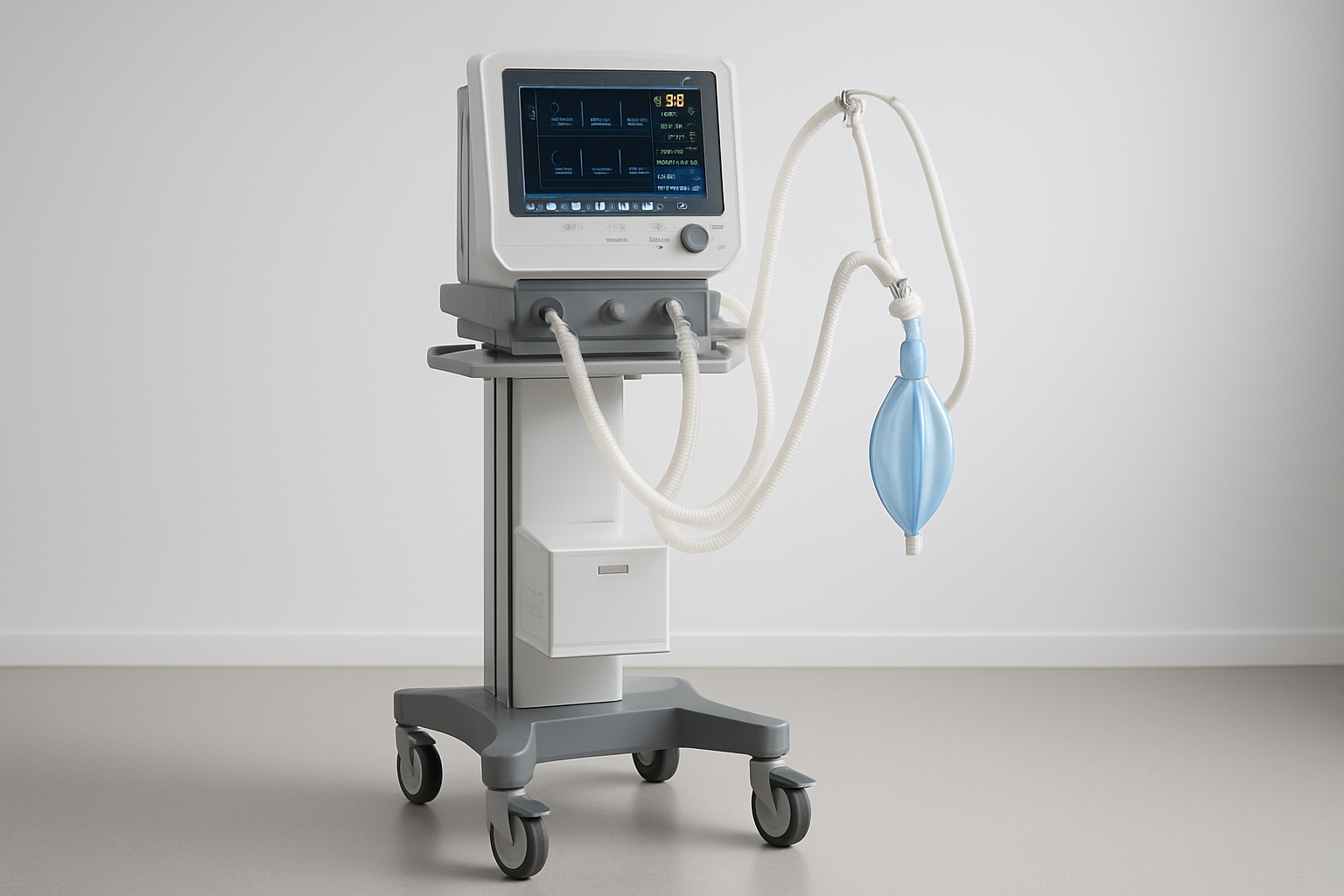
Medical equipment life expectancy is not set by a birthday. In practice, a device remains useful as long as you can still support it at a sensible cost. That means parts are available, qualified service is accessible, required consumables can still be sourced, and any software or interface support you rely on has not ended. A twelve-year-old unit can still be a sound asset. Meanwhile, a much newer one can become a poor buy if a key board, probe or software path has already been discontinued.
For buyers and biomedical teams, the practical question is simple: how much supportable life is left in this specific serial number. That is a better question than asking for an average lifespan by device type. Generic lifespan tables ignore service history, installed options, usage intensity and, most of all, the support position around the unit today.
Why does device age tell you so little about remaining useful life?
Age matters, but it is only one input. Two devices built in the same year can have very different futures. One may have complete service records, low operating hours and an active supply chain for replacement parts. The other may already depend on discontinued assemblies, unsupported software or hard-to-find accessories.
This is why simple lifespan charts often mislead procurement teams. They flatten everything into a number of years and hide the real commercial issue. You are not buying age. You are buying remaining supportability.
Usage profile also changes the picture. A device used lightly in a private practice is not in the same condition as one that ran across long shifts in a high-volume department. Storage conditions, transport history, preventive maintenance and prior repairs all affect how much life is left.
Just as important, support conditions can change faster than the hardware itself. A system can power on and perform normally, yet still be close to the end of its useful life because an essential board is no longer available or because only a shrinking number of technicians will still work on it. In that situation, the limiting factor is not age. It is support access.
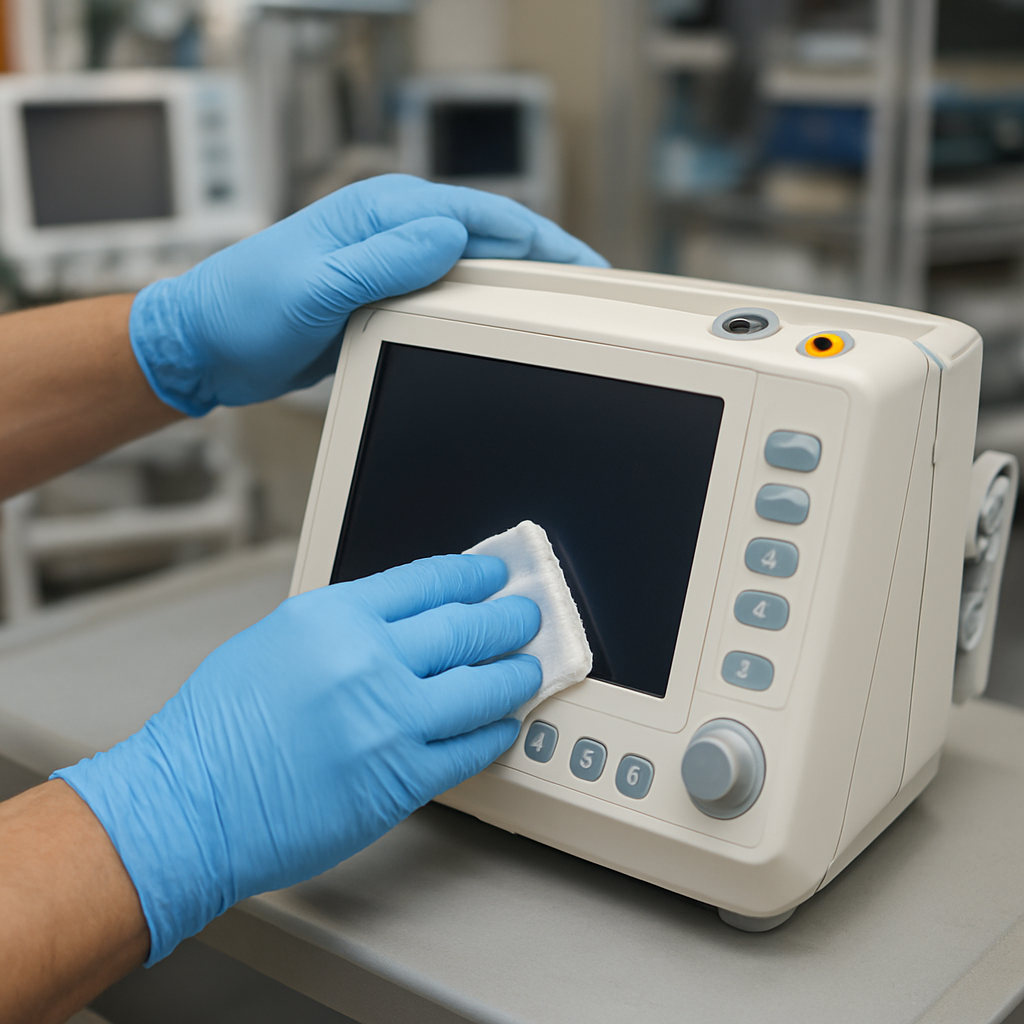
What actually ends a device’s service life in practice?
Most equipment reaches the end of practical service life for one of four reasons.
1. Critical parts are no longer available
This is usually the clearest stop point. If a high-failure component, display, power module, control board or probe can no longer be sourced in a reliable way, future downtime becomes harder to manage. The same applies if available parts are only coming from uncertain channels with no consistency in condition or lead time.
For ultrasound buyers, probes deserve separate attention because they can determine the value of the whole system. If the platform is serviceable but the compatible probe range is limited or expensive to replace, the economics change quickly. When reviewing an offer, check whether suitable ultrasound probes and accessories are still realistically obtainable for that model family.
2. Service access becomes too narrow
A device can still have parts on paper and yet be a weak purchase if very few engineers will support it. This happens when specialist knowledge has thinned out, service tools are scarce or common faults require experience that is no longer widely available. In-house biomedical teams often spot this early because repair times stretch and fault finding becomes less predictable.
Before you buy or extend the life of a unit, confirm who can maintain it in your region and what level of support is realistic. A practical starting point is to review the scope of available medical device services and then match that to the exact make, model and installed options under consideration.
3. Consumables or accessories become difficult to source
Some units remain mechanically sound but become awkward to operate because the accessories needed for day-to-day use are irregular in supply. Cables, holders, modules, batteries, probes or branded accessories can all become friction points. If your team has to spend too much time chasing routine items, the remaining useful life of the device is shorter than it looks.
This point is often missed during capital review because the machine itself gets all the attention. Yet ongoing accessory supply affects uptime, planning and total ownership cost just as much as the base unit price.
4. Software or interface support ends
Not every end-of-life problem is physical. Some systems become impractical because backups, updates, exports, network interfaces or workstation compatibility are no longer maintainable in your environment. The unit may still operate, but if it no longer fits your workflow without workarounds, its commercial life is nearing the end.
That does not mean every older platform should be rejected. It means software support should be checked with the same discipline as hardware condition. If your department depends on a certain data path, printer setup, archive connection or workstation arrangement, verify that setup before making the buy-versus-pass decision.
How can you check parts and service availability before you commit?
For a used purchase or a repair-versus-replace decision, check four things on the specific serial number.
1. Identify the exact configuration
Do not assess supportability from the brochure name alone. Confirm the full model designation, serial number, software version where relevant, installed options and included accessories. Small configuration differences can change part compatibility and service routes.
Ask for clear photos of labels, option screens and included probes or modules. If the seller cannot provide this basic information, your risk rises immediately.
2. Check the support position of known wear items and high-value assemblies
List the components that most affect ownership cost for that type of unit. Then check whether they are available, on what lead time, and from which channel. For ultrasound, that often includes probes, keyboards, trackballs, power supplies, displays and certain boards. For other categories, your list will differ, but the principle stays the same.
You do not need a perfect forecast. You need enough evidence that the common failure points still have a realistic support path.
3. Review service history and current condition together
A clean cosmetic presentation is not enough. Ask what has already been repaired, which parts were replaced, how regularly the unit was maintained and whether there are recurring faults. A device with documented maintenance and sensible past repairs can be a safer choice than a newer unit with a vague history.
If you need outside support to assess this, involve a team that handles medical equipment repair, maintenance and testing before purchase, not after delivery. The right pre-purchase questions are often the difference between a manageable asset and a short-term problem.
4. Confirm who will support the unit after installation
Many buying mistakes happen because support is assumed rather than confirmed. Ask who will handle fault calls, preventive maintenance, parts sourcing and accessory replacement once the unit is on site. If the answer is vague, the remaining life is uncertain no matter how attractive the price looks.
This is the core of medical equipment life expectancy in real buying situations. The remaining life of a unit is only as good as the support structure around it.
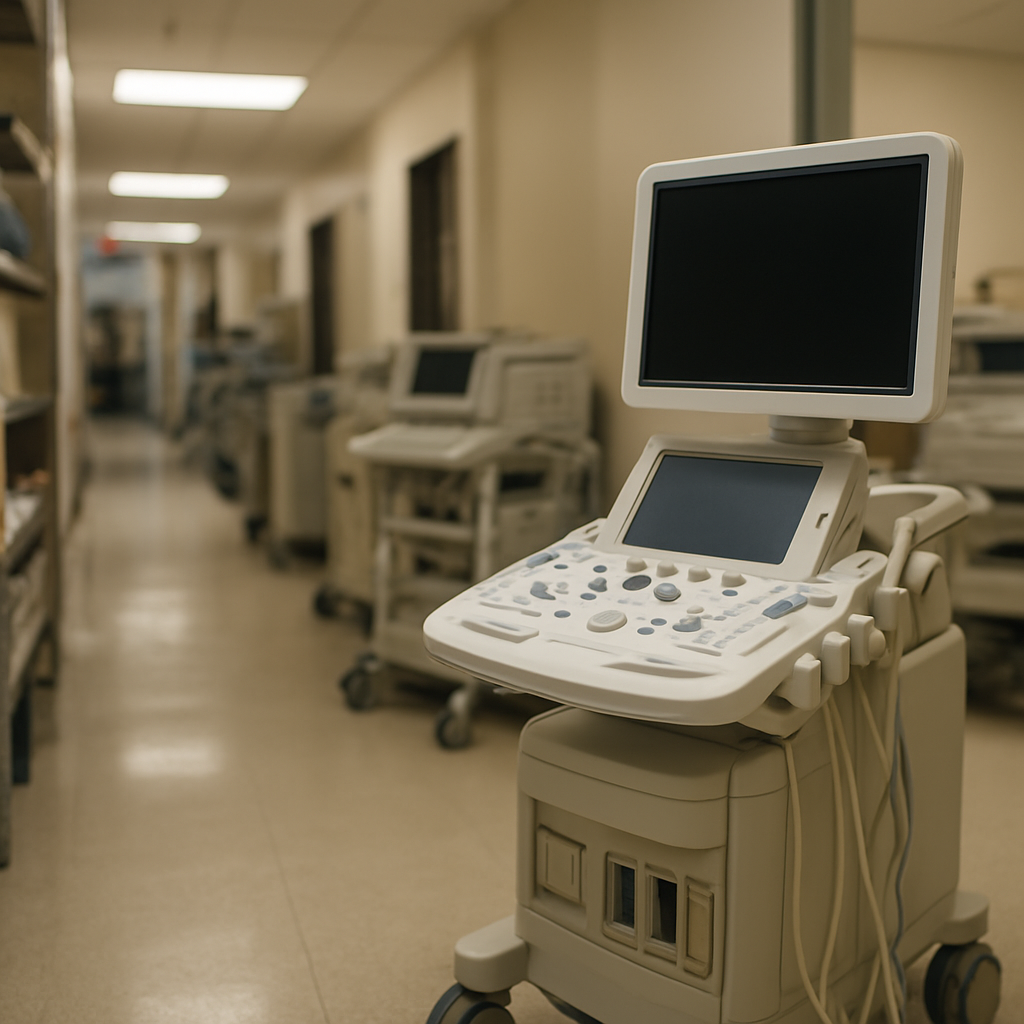
When does repairing an older unit stop making financial sense?
Repair stops making sense when the next failure is hard to support, not simply when the unit reaches a certain age. In other words, the decision point is usually economic concentration of risk.
Start with three checks. First, look at the last 24 months of repair activity. Are faults isolated and manageable, or are they becoming more frequent and harder to diagnose. Second, ask whether the latest repair restores a stable support position or only buys time until the next weak point fails. Third, compare the repair path with the real replacement alternatives available today, including another supportable used unit.
A single expensive repair does not always justify replacement. If it returns the unit to a supportable condition and the surrounding parts and service picture remains healthy, repair may still be the rational choice. On the other hand, even a moderate repair bill can be poor value if the device now sits one failure away from a dead end because parts, probes or software support are fading out.
Procurement teams should also account for hidden cost. Extended downtime, repeated engineer visits, uncertain lead times and repeated sourcing effort all raise the ownership burden. These costs may not sit on the original quotation, but they affect whether the asset still makes business sense.
The most useful internal question is not, how old is this unit. It is, if this fails again in six months, do we already know the repair path, the part source and the likely cost range. If the answer is no, useful life may already be close to its end.
In short, medical equipment life expectancy should be judged at serial-number level, not from generic lifespan tables. Check four things before you buy or keep a unit in service: exact configuration, parts availability, service access and the supply of the accessories or software support you actually depend on. If those remain intact, an older device may still justify its place. If they do not, age is the least important problem.
Ratings and Reviews