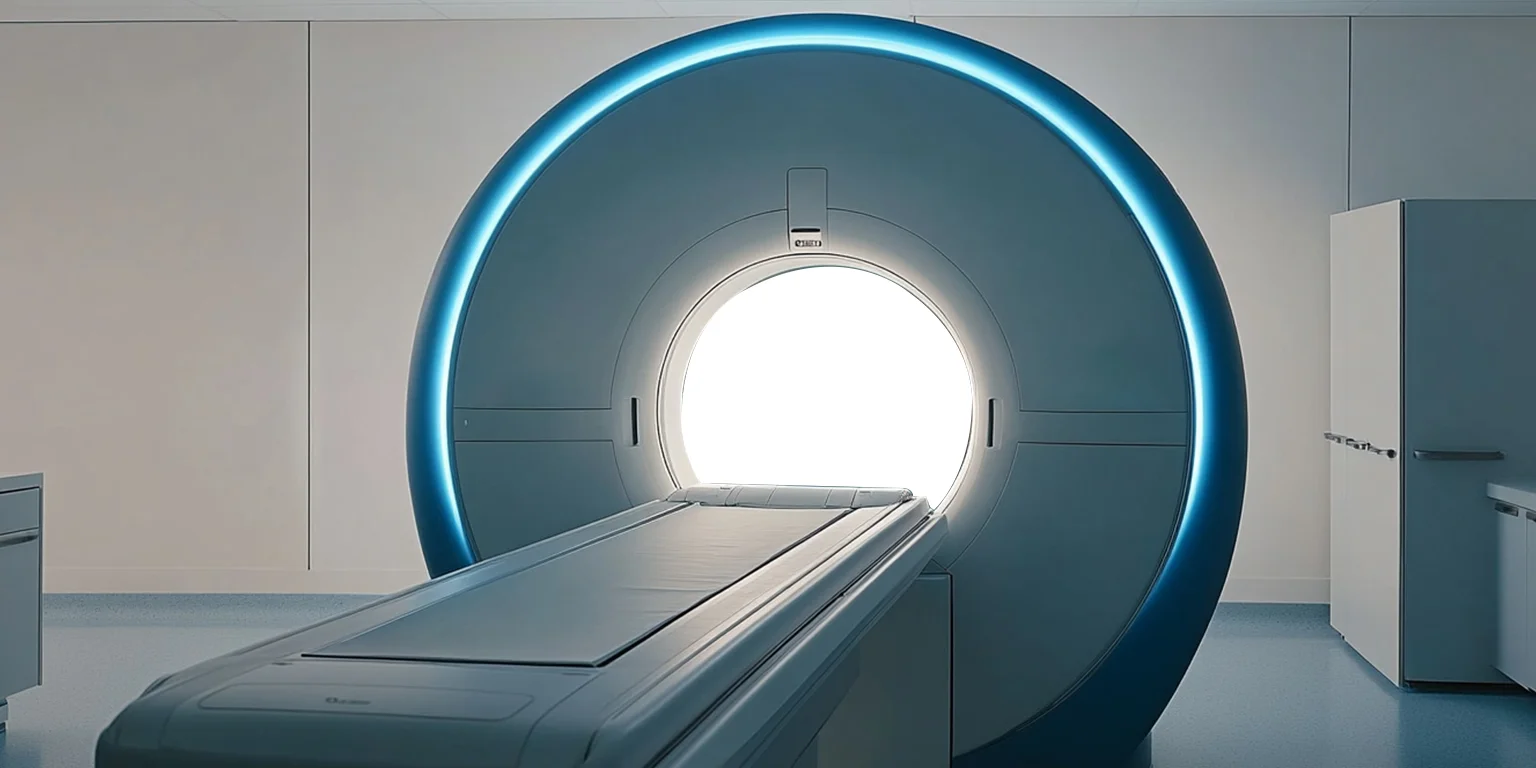
Dynamic imaging provides real-time images of internal structures and is now well established in modern medicine. With it, doctors can observe organ function and movement as it happens, which supports diagnosis and treatment.
In this post, we present different types of dynamic imaging, show their applications in medical diagnostics and explain their role in patient care.
What is Dynamic Imaging?
Dynamic imaging refers to methods that show the body’s internal structures in motion. As a result, doctors can assess organ function, muscle activity, and blood flow in real time.
Benefits of Real-Time Imaging in Healthcare
Real-time imaging brings several advantages:
- Live monitoring: Healthcare professionals can observe bodily functions as they occur.
- More precise diagnostics: Makes it easier to detect issues with blood flow or organ movement.
- Less invasive: Many real-time imaging techniques are minimally invasive and therefore less stressful for patients.
Common Dynamic Imaging Tools
Various imaging tools provide real-time visuals tailored to specific diagnostic needs.
Fluoroscopy
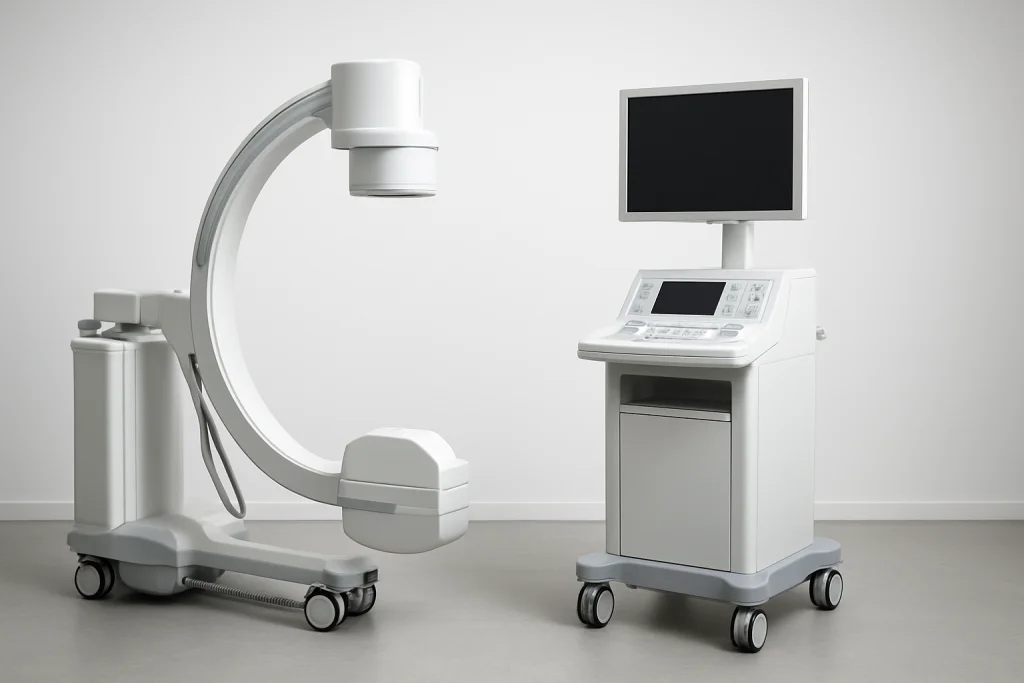
Fluoroscopy uses continuous X-rays to produce live images. Doctors often use it during surgeries or to examine the digestive tract, because it shows organs in motion.
Ultrasound Imaging
Ultrasound uses sound waves to generate real-time images. While commonly used in obstetrics, it also has applications in cardiac and vascular diagnostics.
MRI and CT Scans with Real-Time Capabilities
With suitable equipment, MRI and CT scanners can also produce time-based sequences. These are useful, for example, for examining moving organs such as the heart or lungs.
The Importance of Real-Time Imaging in Healthcare
Real-time imaging supports more accurate diagnoses and individual treatment plans. In addition, it can contribute to the early detection of diseases, increase precision during surgery and, in some cases, replace exploratory surgery.
Benefits for Patients:
- Earlier diagnosis: Helps detect conditions in early stages, which can make treatment easier.
- Individual treatment: Live images provide detailed information, so doctors can adapt the therapy.
- Non-invasive options: Many of these imaging techniques need little or no invasive intervention, which can make recovery easier.
Conclusion: The Future of Dynamic Imaging
Dynamic imaging is gaining importance in medicine because it provides useful information for diagnostics. As the technology develops, further and less invasive imaging methods are likely to become available.
Ratings and Reviews