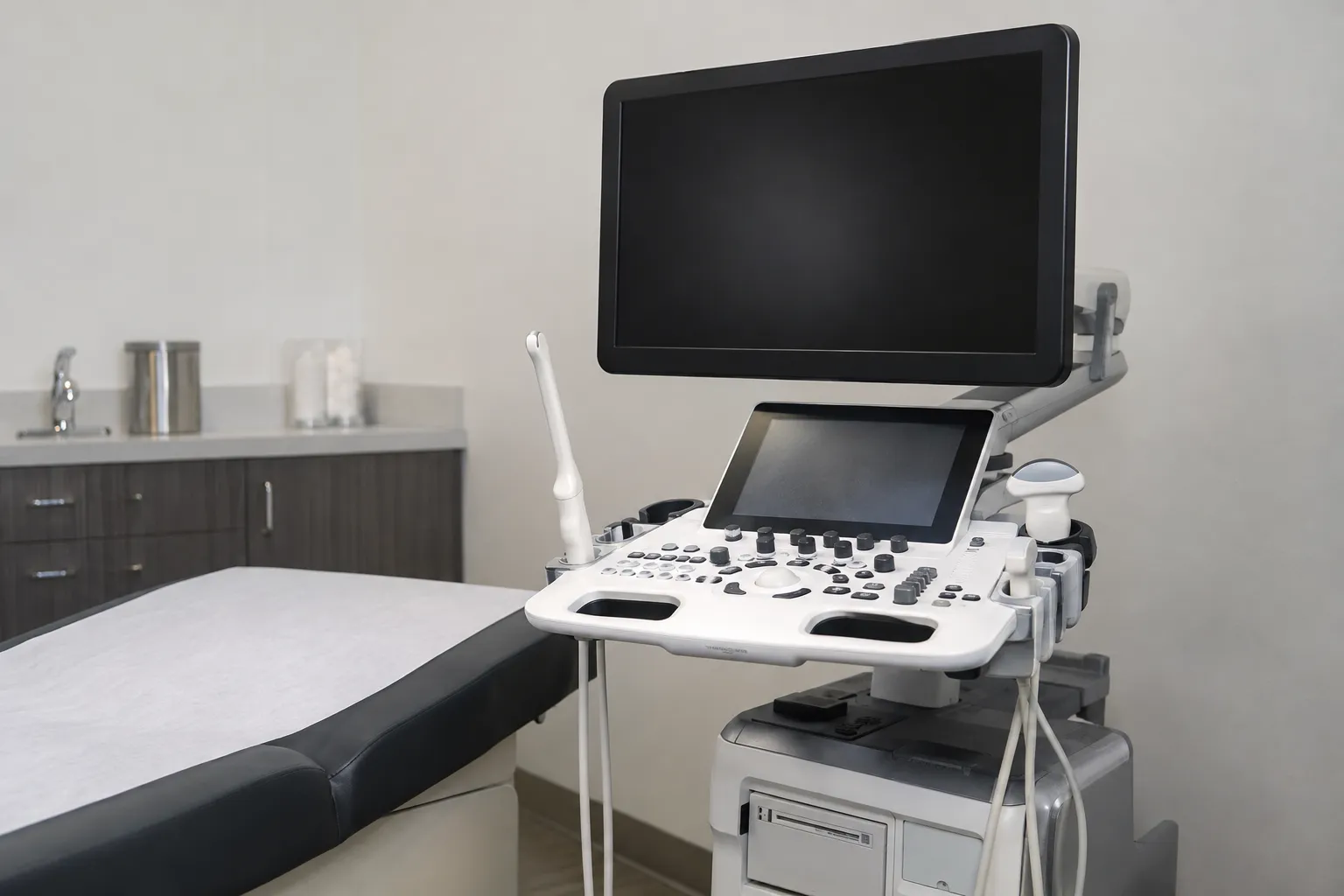
When you are planning a medical practice closure, the equipment side should not stop at records, notices and contracts. Here, order matters more than speed. First, confirm which devices you are actually free to sell. Then build a room-by-room list of equipment, accessories and documents, set dates for removal, and separate saleable items from leftovers. Only after that should you approach a buyer or a successor. If you want a dealer view of the process, EMTrading offers a service for selling used medical equipment.
Which devices are actually yours to sell when the practice closes?
The most common mistake in a medical practice closure is assuming that every device in the treatment room can be sold. Often, that is not true. The contract decides. If a device is under a lease, hire-purchase agreement, chattel mortgage or practice financing arrangement, your right to dispose of it may be limited. Therefore, before any sale, confirm in writing which items can be sold freely and which must first be cleared with the lessor, bank or successor. Your practice’s own lawyer and tax adviser should confirm any contract-bound item before you sell it.
In practical terms, sort equipment into three groups:
- Practice-owned items: devices, furniture and accessories with no ongoing contractual tie.
- Contract-bound items: leased systems, hire-purchase units or components with return obligations.
- Successor packages: devices that make more sense as part of the practice handover than as a separate sale.
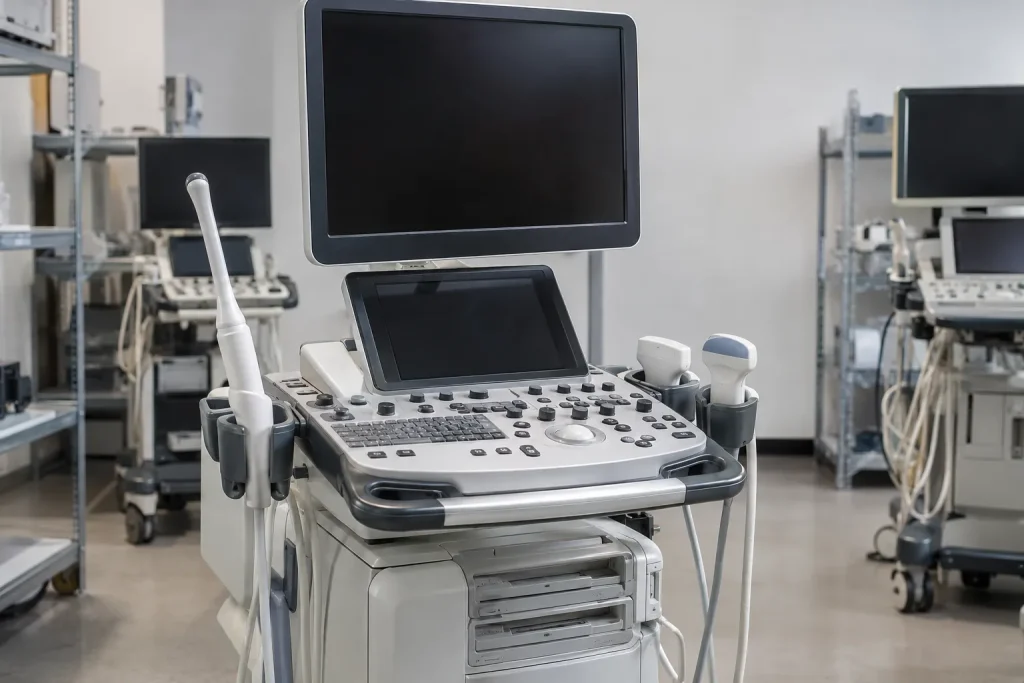
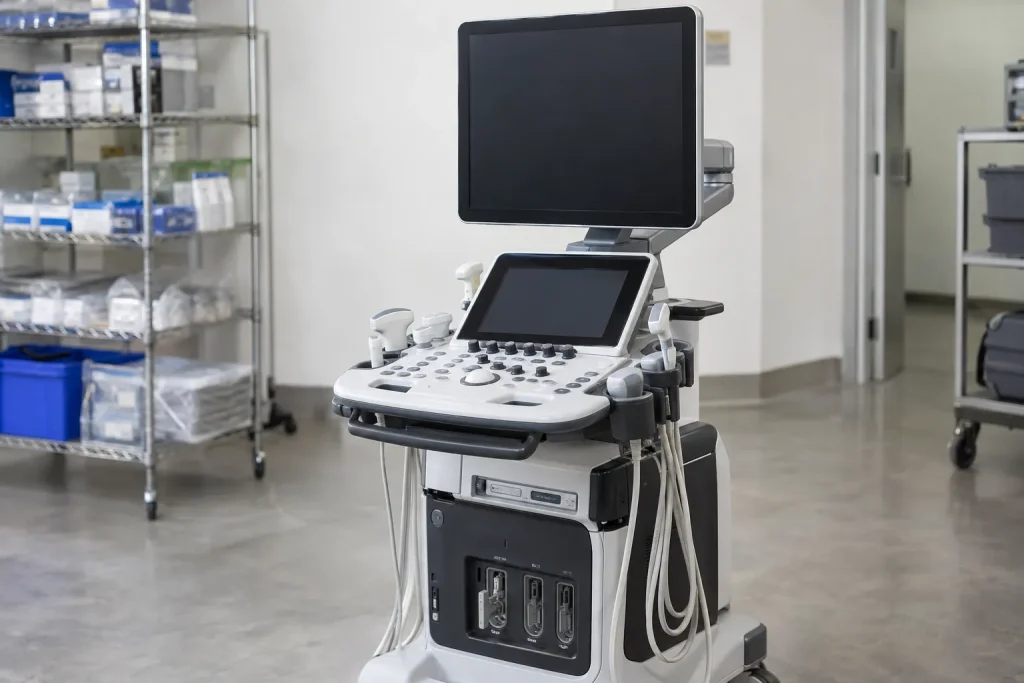
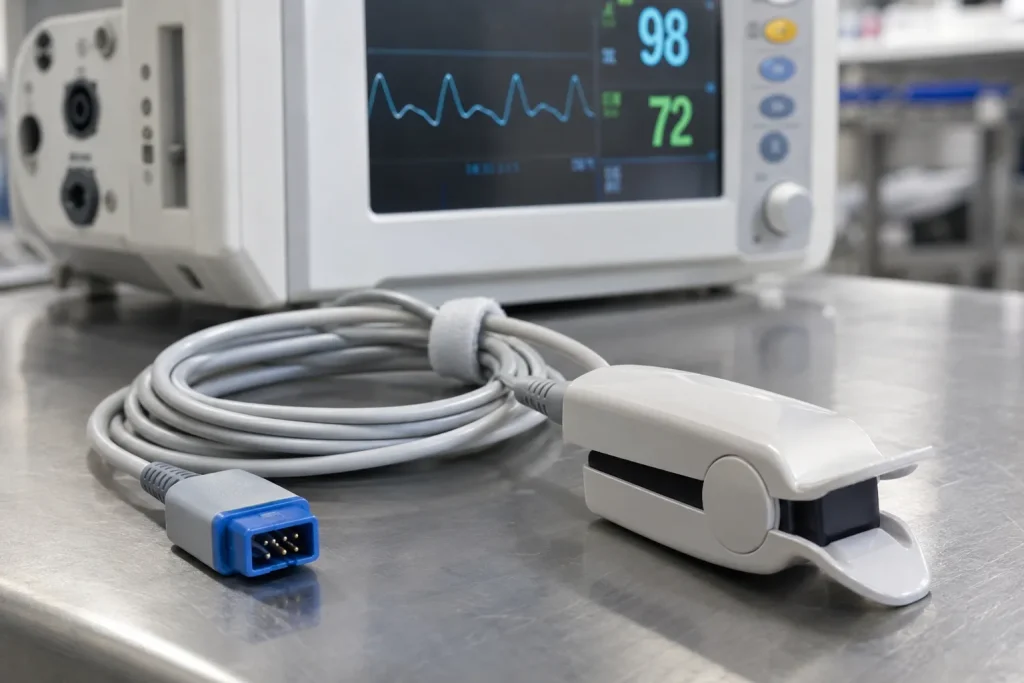
Also, do not treat accessories as an afterthought. With ultrasound systems, probes, carts, footswitches, power supplies, mounts and original accessories can matter as much as the console. For laboratory analysers, demand may fall sharply if the system depends on specific reagents or consumables. For battery-powered devices such as defibrillators, monitors or infusion pumps, battery condition and transport rules can affect whether shipment is practical at all. Lithium batteries are subject to specific packing, marking and documentation requirements in transport, so late shipping decisions can create avoidable delays.
If the practice is not closing completely but being handed over, the distinction becomes even more important. Some devices are better transferred to the successor. Others fit a resale better. Meanwhile, formal duties and deadlines can differ by chamber, association or local framework. So align the non-equipment steps early with your own advisers and responsible bodies, while keeping the device list separate from those formal closure tasks.
What order should you tackle inventory, paperwork and dates in?
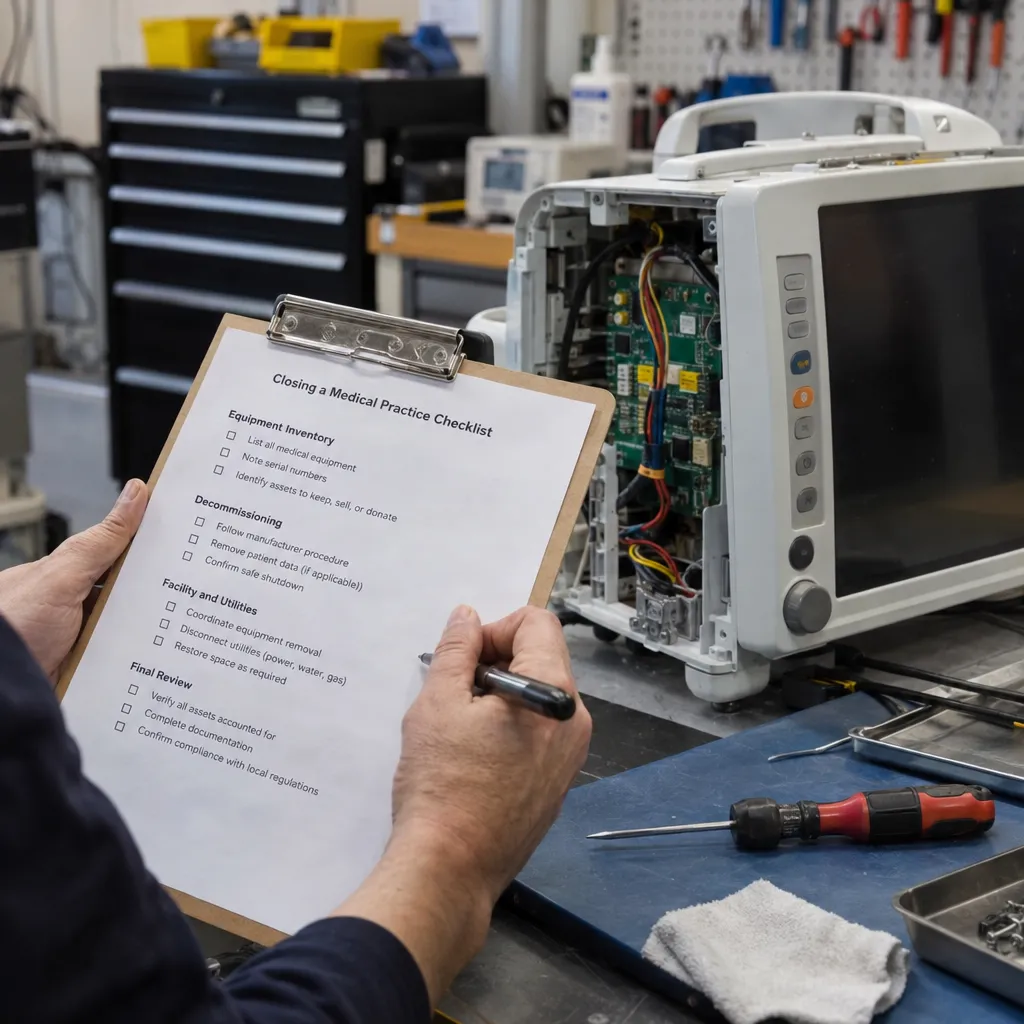
You do not need a complicated project plan for a practice closure. You need a reliable list. Start room by room. For each device, record the manufacturer, model, serial number, location and general condition. Then note whether the accessories are present: manuals, service records, power supplies, probes, sensors, carts, holders and cables. This level of completeness makes later valuation easier and reduces back-and-forth with buyers.
Next, gather the documents. Useful items include user manuals, available technical documents, service or maintenance records, and a clear match between each device and its serial number. If software version information is available, record that too. Buyers need to identify what is being offered before they can say whether the device is marketable at all.
After that, set dates in the right order:
- First, confirm ownership and internal approvals.
- Then, finish the equipment list and photo documentation.
- Next, sort devices by destination: successor, resale or disposal.
- After that, coordinate removal windows with facilities, ongoing operations and the landlord if relevant.
- Finally, bundle the remaining items and organise disposal.
It is also important to separate practice records from device records. Patient records follow their own rules and retention duties, which continue after a practice closes, and the details should be clarified with the responsible professional bodies. Your device file serves a different purpose. It helps determine ownership, marketability, collection planning and the realistic sequence for clearing the site.
If you structure the list early, you gain time for the part that usually gets compressed at the end: deciding what actually leaves the building, when and by whom. If you would like to discuss your case with a device list and photos, you can reach EMTrading through the contact page.
What decides how much your equipment is still worth to a buyer?
The answer is usually not the original purchase price. A buyer looks at whether the device is clearly identifiable, complete, technically assessable and still wanted in the market. So two similar-looking devices can produce very different results. The issue is current marketability, not historical cost.
In practice, buyers usually look at these points:
- Exact model and serial number: without them, a buyer cannot assess the market properly.
- Functional condition: a clear and honest condition description builds trust.
- Completeness: missing probes, sensors, cables or power supplies can reduce buyer interest significantly.
- Documentation: available manuals and service history support faster assessment.
- Demand: some device classes move easily, while others are hard to place.
For imaging systems and ultrasound units, list the console, probes and accessories separately. Often, the value does not sit in the main unit alone. In some cases, probes carry a large share of buyer interest. With laboratory analysers, the question is different: can a future owner realistically source reagents, consumables and suitable service support. If not, demand may be limited regardless of how the analyser looks. With battery-powered equipment, transport feasibility can also affect buyer appetite because shipment planning is part of the real transaction, not an afterthought.
If you need to arrange replacement equipment at the same time, you can find details on the medical equipment purchase service.
One point should stay clear. Acceptance testing, calibration and clinical commissioning at the receiving site are the responsibility of the receiving facility, not the seller. Do not leave that implied in emails or handover notes.
Who handles de-installation, collection and the devices nobody wants?
Not every device from a practice closure will find a buyer. Therefore, decide early who takes each group. Saleable devices may go to a buyer or to the successor. Older, incomplete or economically unattractive items may only be suitable for disposal.
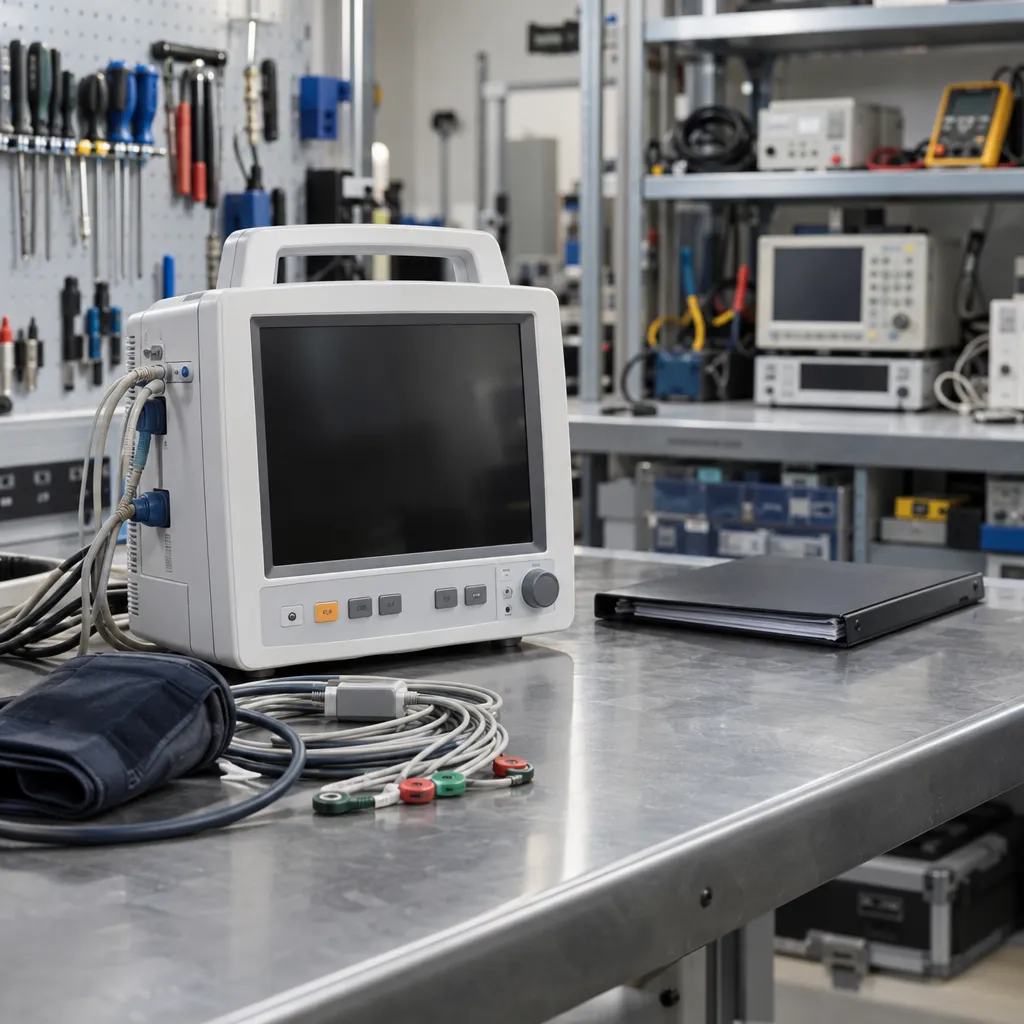
De-installation is often underestimated. Small mobile devices are usually easier to collect than heavy, sensitive or fixed installations. In particular, floor-mounted or site-bound systems should be removed by qualified personnel. That applies as well to larger ultrasound, imaging and laboratory units where access routes, packaging, lifting aids, loading zones and building coordination all matter.
A clear leftover list also helps. After the first sales round, do not keep reassessing every low-value item one by one if the effort exceeds the likely return. Instead, send the full list to the buyer from the start, not only the best pieces. That makes it easier to see what can be collected together, what needs separate planning and what will remain for disposal.
Battery-powered devices need special attention here as well. Lithium battery shipments can trigger specific transport requirements and documentation duties. So collection and shipping should be planned before the final operating day, not after it.
Frequently asked questions about practice closure and your equipment
Can I sell every device in my practice?
Not automatically. Under a lease, hire-purchase agreement or financing, your right to dispose of a device may be limited. Check this in writing before any sale.
What information do I need for a buyer enquiry?
Manufacturer, model, serial number, condition, accessories and available documents for each device, ideally with photos.
When should I start the inventory?
As early as possible, not just before the move-out. An early review gives you time for valuation, collection and disposal.
What happens to devices nobody wants?
Build a leftover list, plan professional disposal for these items and document it.
In short: for a medical practice closure, start with ownership, then complete the equipment list, and only then move to sale or disposal. Accessories, documents and removal planning often influence the outcome more than the main unit alone. Anything contractually unclear should be checked by your lawyer and tax adviser. For the operational side, a fixed sequence of listing, assessment, collection and leftover separation keeps the closure manageable.
Send us your device list: Use the page Sell your medical equipment to offer your devices with model, serial number and photos.
Ratings and Reviews