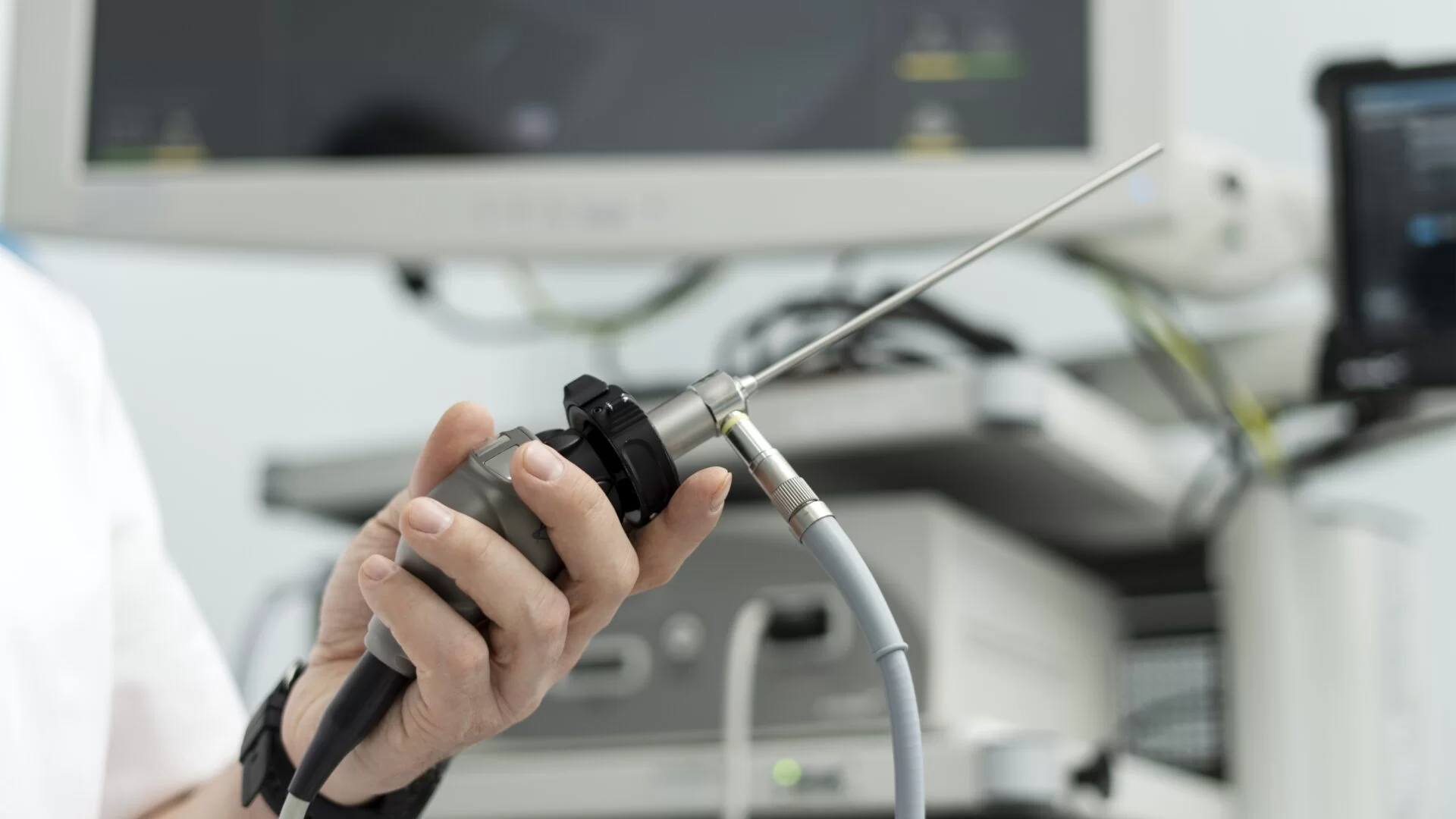
Medical equipment is essential for diagnosing, treating, and monitoring many health conditions. One instrument that has significantly changed both diagnostics and surgery is the rigid endoscope. It gives physicians an accurate and reliable view of internal body structures. Whether in minimally invasive surgery or diagnostic procedures, rigid endoscopes are now part of the standard equipment in many specialties.
What is a Rigid Endoscope?
A rigid endoscope is a medical instrument that allows healthcare professionals to view internal organs and body cavities with precision. Unlike its flexible counterpart, this instrument does not bend. Typical areas of use are orthopedic, gynecological, and ENT (ear, nose, and throat) surgery. Thanks to high-resolution imaging, surgeons can also perform delicate procedures precisely.
Types of Rigid Endoscopes
Different designs are available, each tailored for specific medical applications. Some of the most commonly used include:
1. Laparoscopes
Laparoscopes are essential in minimally invasive abdominal surgeries. Surgeons rely on these tools to perform complex procedures such as gallbladder removal or hernia repairs with small incisions, leading to quicker recovery times and less scarring.
2. Arthroscopes
Primarily used in orthopedic surgeries, arthroscopes help diagnose and treat joint conditions like torn ligaments or cartilage damage. As this procedure is less invasive than traditional surgery, patients typically experience faster recovery and fewer complications.
3. Cystoscopes
Cystoscopes are used to examine the bladder and urethra. They assist in diagnosing conditions such as bladder cancer or urinary tract infections, and they are often used in procedures to remove kidney stones.
4. Sinuscopes
Sinuscopes are employed for diagnosing and treating nasal and sinus conditions. With high-definition visuals, they enable detailed examination and treatment of issues like chronic sinusitis or nasal polyps.
Benefits of Rigid Endoscopes in Healthcare
1. Precision
Rigid endoscopes offer clear optics and are easy to guide. They show internal structures in detail. As a result, they make targeted treatment easier and can help avoid complications. For instance, good image quality helps surgeons avoid errors during complex procedures.
2. Minimally Invasive Procedures
Their use often leads to smaller incisions, allowing for faster recovery, less scarring, and lower infection risks for patients. Additionally, hospital stays are often shorter with minimally invasive procedures.
3. Diagnostics
These tools allow healthcare providers to inspect hard-to-reach areas of the body directly, which supports diagnosis. In this way, they can reveal some findings early that conventional imaging does not show.
4. Cost-Effective for Hospitals
Many of these instruments are reusable after sterilization, which makes them economically attractive for hospitals and practices. Furthermore, because they are robust and can stay in use for a long time, operating costs fall over time.
How Rigid Endoscopes Contribute to Patient Care
Rigid endoscopes have helped make many surgical procedures faster and more accurate. Surgeons have better control over the surgical field, which can reduce post-operative infections and complications. Additionally, minimally invasive techniques often mean less pain, shorter hospital stays, and faster recovery for patients.
Conclusion: The Future of Endoscopy in Healthcare
Rigid endoscopes are firmly established in diagnostics and surgery. Their precision, durability, and the option of minimally invasive procedures benefit patients and hospitals alike. As medical technology evolves, their range of applications is likely to grow further.
You can find new and used instruments in our rigid endoscopy category. Additionally, if you are considering pre-owned instruments, read our article on used endoscopes.
Ratings and Reviews