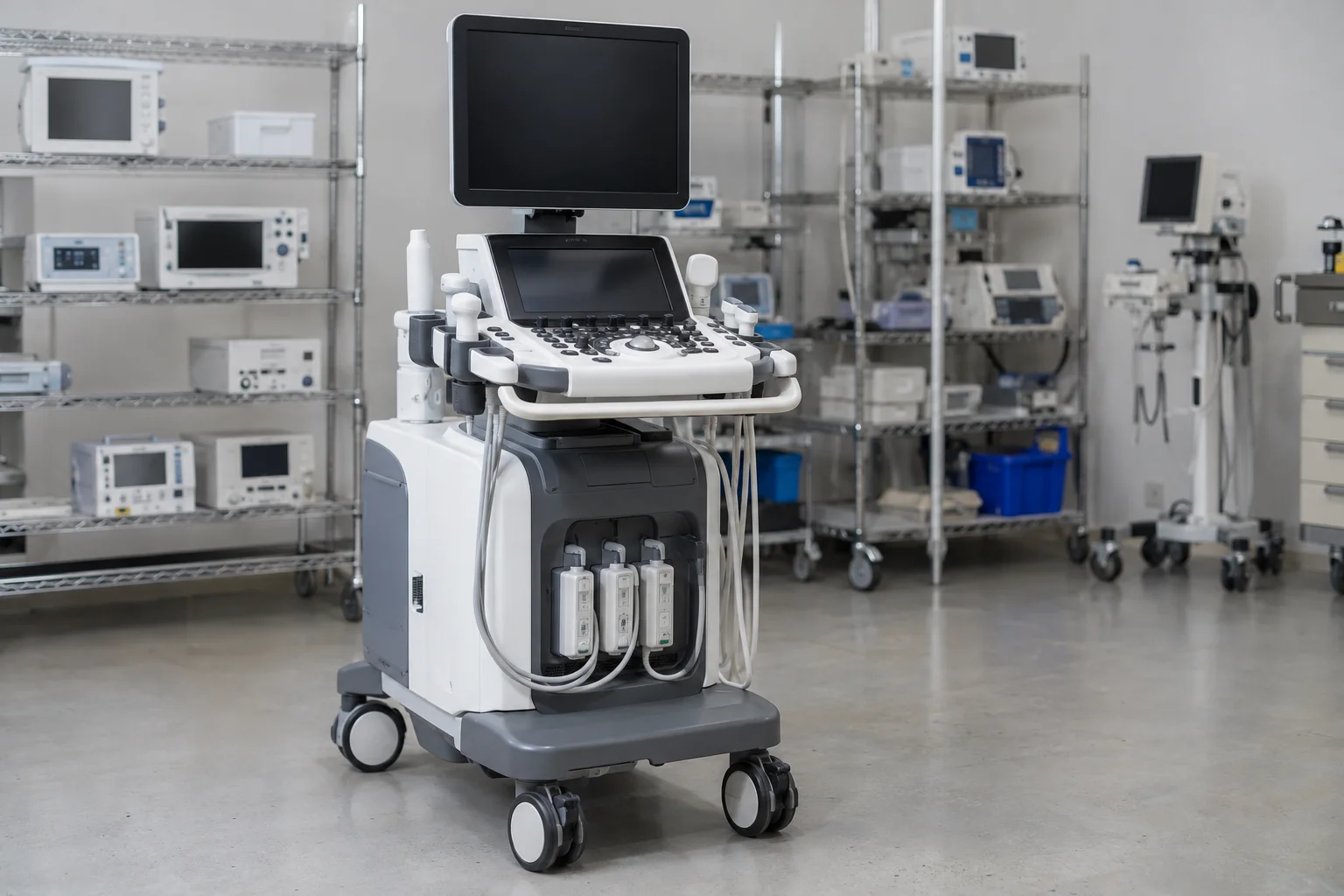
A refurbished medical equipment warranty is a contract term, not a quality badge. Two quotes can show the same warranty length and still leave you with very different costs, downtime exposure and admin work after installation. Therefore, before you raise a purchase order, compare what the warranty actually includes, what it excludes, who pays for logistics, and which actions could void cover. Terms differ by supplier, device class and refurbishment scope, so the safest approach is to turn every warranty line into a written question.
What does a refurbished medical equipment warranty usually cover and exclude?
Most warranty summaries look simple on page one. In practice, the value sits in the exclusions schedule, the service definition and the claims process. First, ask the supplier to define the covered failure. Does the warranty apply to defects in replaced parts, workmanship carried out during refurbishment, or any breakdown during the term? Those are not the same promise.
Next, separate the device into categories. Ask which assemblies the warranty covers, which consumables it excludes and which wear items sit outside the agreement. If the warranty names replacement parts, confirm the part reference against the manufacturer’s compatibility list for that exact model and software version. That avoids arguments later about whether a failed item counts as a supported part or a customer-supplied accessory.
In addition, ask whether the warranty includes software loading, configuration files, passwords, probes, transducers, batteries, printers, carts, cables, footswitches, monitors or third-party accessories. Many disputes start because the quote names the main unit but stays silent on the rest of the system.
Keep acceptance and commissioning separate from warranty cover. After installation, acceptance testing checks the device against the technical specifications in the purchase agreement, and commissioning follows acceptance before clinical use. Define these tests in your purchasing conditions, and state in the contract who is responsible if the device does not meet them.
For the same reason, record internally that acceptance testing, calibration and clinical commissioning are your facility’s own responsibility. A supplier warranty does not cover them unless the contract says so in writing.
How do parts, labour and turnaround terms change what a warranty is worth?
Headline months tell you very little. The practical value of a refurbished medical equipment warranty depends on three questions: who supplies the parts, who pays the labour, and how quickly the supplier must act.
Start with parts. Ask whether the warranty includes replacement parts in full, caps them by value, or supplies them only after the supplier confirms that the failed component falls within the refurbishment scope. If the supplier used a mix of new, tested used and third-party parts during refurbishment, ask whether the same mix applies to warranty replacements. See also what refurbished and used labels mean.
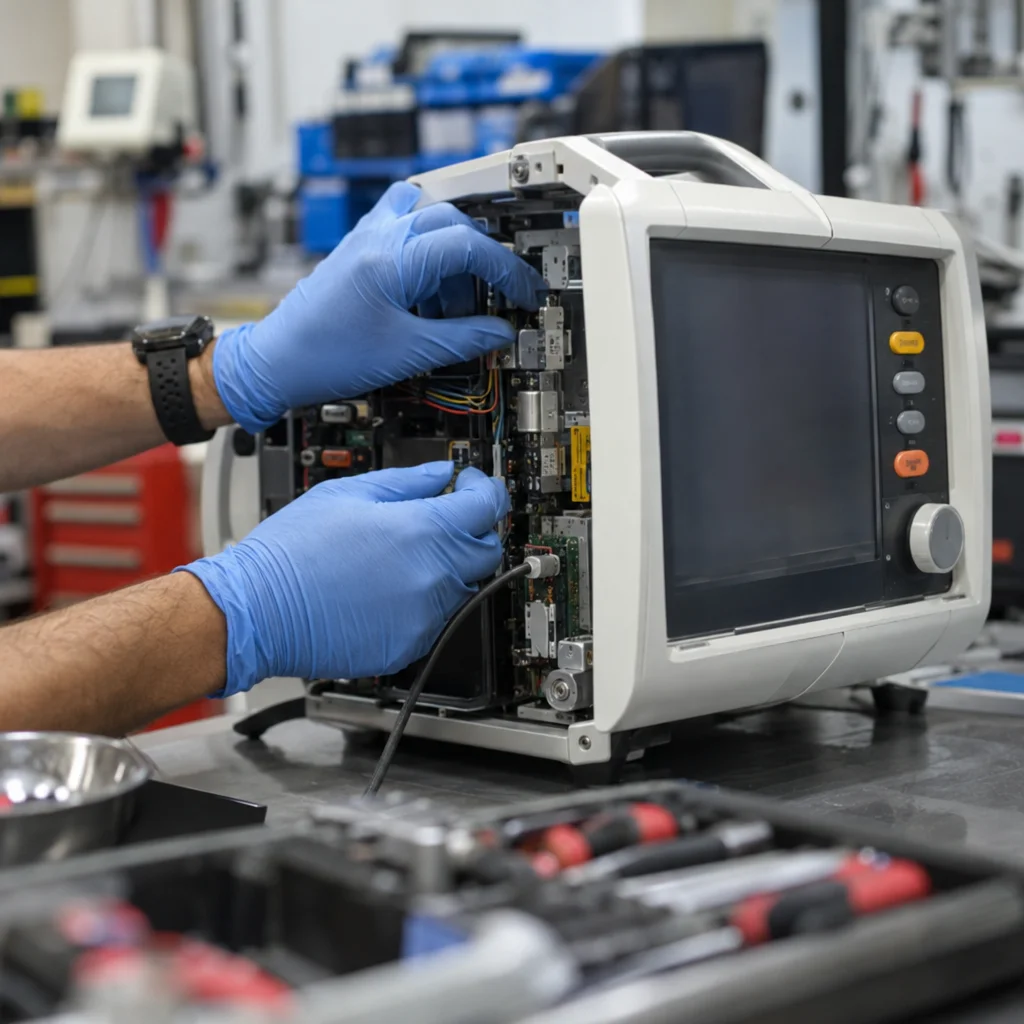
Then review labour. Some contracts include bench labour but exclude on-site labour. Others include remote troubleshooting but charge travel time separately. Therefore, ask for a written breakdown covering diagnosis, disassembly, reinstallation, software reloading, functional checks and post-repair documentation.
Turnaround matters just as much. A warranty that promises repair but gives no response time can still leave a department waiting. Ask for the response window for first contact, the target for fault triage, the expected turnaround for depot repair, and the escalation route if parts are not available. If the supplier uses subcontractors, ask whether their timeframes bind the supplier or are only estimates.
Also ask when the clock starts. Is it your email, the supplier’s acknowledgement, the end of remote diagnosis, or the unit’s arrival at the workshop? That single clause often explains why two similar warranties perform very differently in real use.
If you are comparing more than one quote, build a small matrix next to price. Include covered parts, covered labour, first-response commitment, repair target and claim method. Procurement teams already use this approach when they compare sourcing routes through a medical equipment purchase service. Apply the same discipline to after-sale terms.
Who pays for freight, loaner units and on-site attendance?
Logistics clauses often decide the real cost of a claim. First, ask who pays inbound freight, return freight, customs charges if applicable, insurance in transit and packing materials. A refurbished medical equipment warranty can look generous until you discover that each return moves at your cost and risk.
Next, ask who authorises shipment. Some suppliers require a return authorisation before dispatch. Others reject claims if the device arrives without approved packaging or decontamination paperwork. Put those process steps into your purchase file, because missed admin can delay a valid claim.
Loaner units and on-site visits
Loaner units need the same scrutiny. Do not assume the deal includes a loan unit. Ask whether a loaner is available, whether the supplier guarantees it or only offers it subject to stock, who pays shipping, and whether installation or configuration support comes with it. If a loaner arrives, ask who carries responsibility for accessories, software options and return timing.
On-site attendance is another common gap. Large systems, fixed installations and devices integrated with room infrastructure may not be practical to ship. Therefore, ask whether the warranty includes site visits, travel, accommodation, parking and engineer time on site. If not, the warranty may cover labour in theory while the supplier bills the field visit separately.
This is where service language can overlap with warranty language. Keep the two separate. A service provider such as our repair and maintenance service can support inspection, testing or maintenance, but that does not tell you what a seller will fund under a warranty claim. Read the contract line by line.
Finally, define risk of loss during transport and storage. If a returned unit suffers damage in transit, who files the claim and who bears the cost? If a device waits in quarantine because paperwork is incomplete, who absorbs the delay? Write these commercial terms down before you place the order.
Which actions can void the warranty after installation?
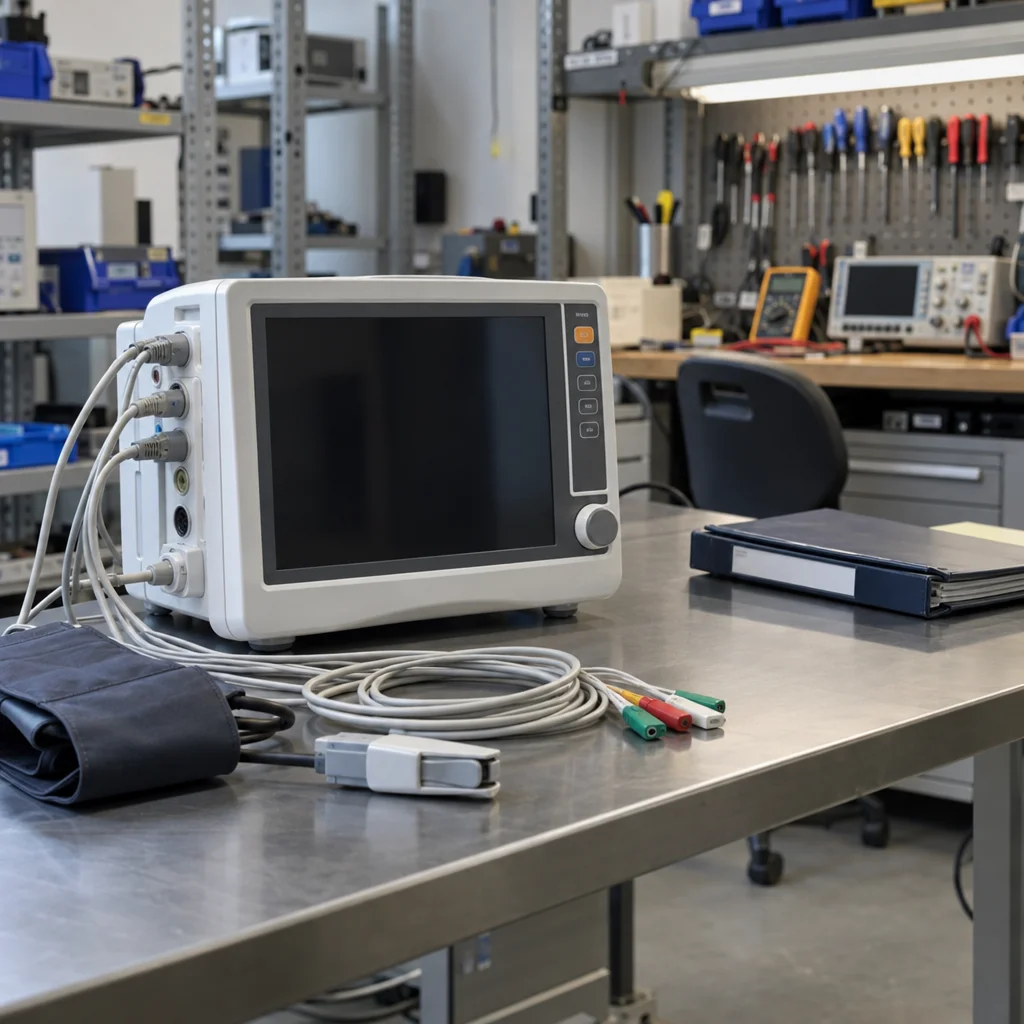
Ask for the voiding events in one list, not scattered across several documents. Many suppliers suspend or deny cover after unauthorised repairs, third-party modifications, improper storage, power issues, liquid ingress, misuse, missing maintenance records or use of unsupported accessories. The key point is not whether those clauses exist, but whether they are precise enough for your team to manage.
Site moves deserve special attention. If you relocate the device between departments, buildings or sites, ask whether you need written approval. The same applies to de-installation, reinstallation, export, long-term storage and connection to different power or network environments. A move that seems routine to estates or biomed can void a claim if the contract treats it as a change of installation conditions.
Software and accessories can create the same problem. Ask whether updates, network changes, replacement peripherals or third-party consumables affect cover. For any replacement part or accessory, confirm the part reference against the manufacturer’s compatibility list for that exact model and software version. That is safer than assuming interchangeability.
Records and responsibilities
Also ask what records you must keep. The supplier may require service logs, environmental records, serial-number photos, fault codes, decontamination certificates or evidence of preventive maintenance. If those records are a condition of cover, assign ownership internally on day one. Our checklist for used medical equipment documentation is a good starting point.
Do not let the warranty carry responsibilities that belong elsewhere. Your facility still needs its own process for acceptance testing, calibration where required and clinical commissioning before the equipment enters service. A supplier warranty does not replace those tasks.
When you compare offers, use the same clause-by-clause method you would use when you select equipment in our used medical equipment shop. Price gets attention first. However, exclusions, logistics and voiding events usually decide the total workload after delivery.
Practical summary
Before signing, ask the supplier to mark up the warranty in writing: covered parts, covered labour, response times, freight, loaners, on-site attendance, exclusions and voiding events. Then tie each point to an internal owner at your facility, and add the open costs to your used medical equipment total cost of ownership. That turns a refurbished medical equipment warranty from a headline promise into a contract you can actually manage.
Need a quote with the warranty terms written out? Contact EMTrading and name the device you are looking at.
Ratings and Reviews