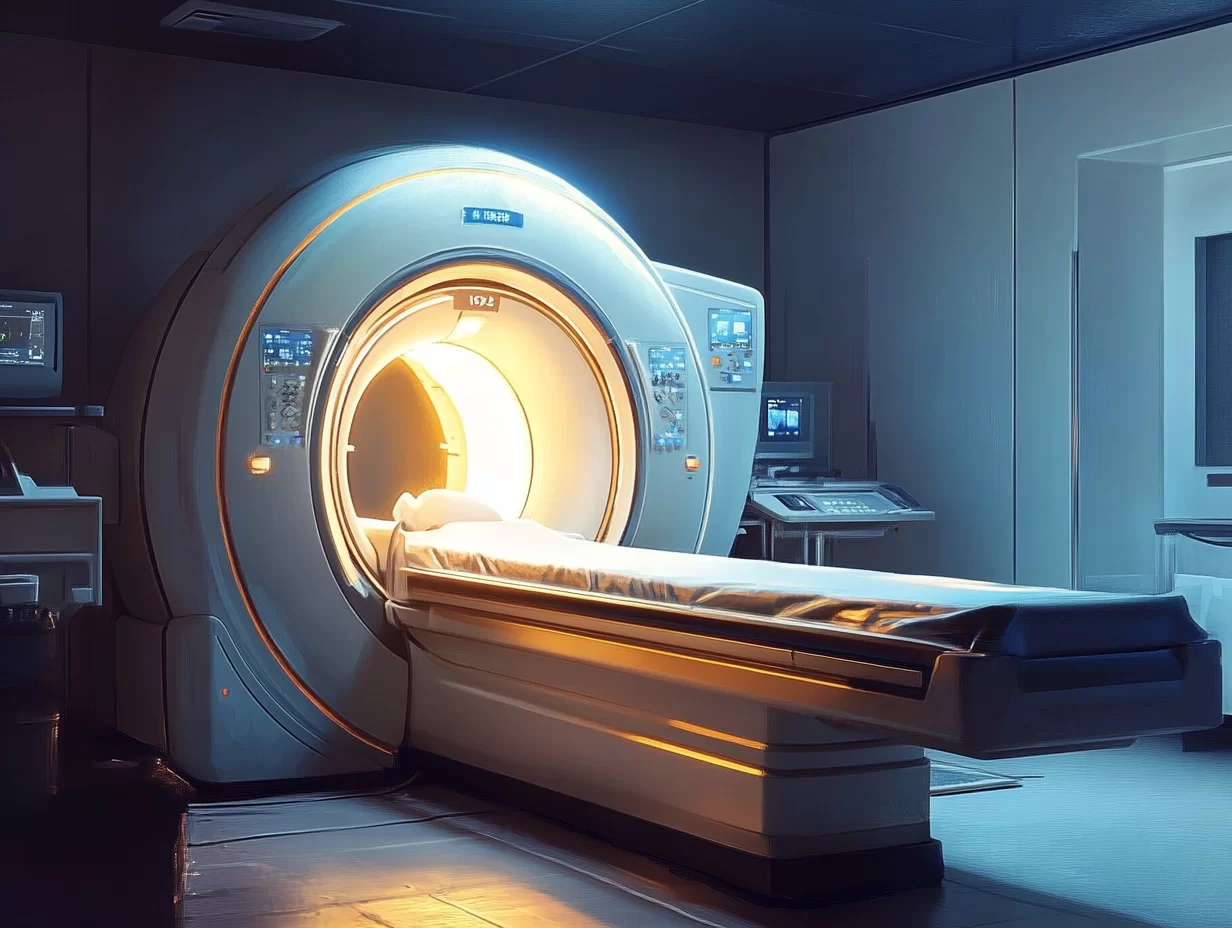
Magnetic Resonance Imaging (MRI) machines are essential in modern healthcare for diagnosing various conditions. However, the cost of purchasing, installing, and maintaining an MRI machine is a significant investment for hospitals, clinics, and imaging centers. In this post, we’ll explore the factors that influence MRI machine cost, the price range for both new and used machines, and the long-term value the purchase can offer.
Importance of MRI Machines in Healthcare
MRI machines use powerful magnets and radio waves to create detailed images of internal structures. As a result, they help healthcare providers detect and diagnose conditions like tumors, brain disorders, and spinal cord injuries. Furthermore, image quality is an important basis for diagnosis and treatment planning.
Factors Influencing the Cost of an MRI Machine
Several factors determine the price of an MRI machine. Understanding these can help healthcare providers make informed purchasing decisions.
1. Type and Technology
Different types of MRI machines, such as closed-bore, open-bore, and extremity MRI, come with varying price tags. For instance, closed-bore MRI machines, with their higher field strength, tend to be more expensive due to their advanced technology. In contrast, open-bore machines are usually cheaper but may not provide the same image quality.
2. Field Strength
The Tesla rating of an MRI machine, which indicates its magnetic field strength, significantly affects the cost. Generally, higher Tesla MRI machines, like 3.0T models, offer clearer images but come at a higher price. For example, a 1.5T MRI can cost between $1 million and $1.5 million, whereas a 3.0T MRI may range from $2 million to $3 million or more.
3. Brand and Manufacturer
Moreover, the brand and manufacturer play a crucial role in the overall cost. Leading brands such as Siemens, GE Healthcare, and Philips offer MRI machines at various price points. Many buyers choose these brands for their reliability, image quality, and service offering.
4. New vs. Refurbished
In addition, the decision between purchasing a new or refurbished MRI machine significantly impacts the cost. While new MRI machines are generally more expensive, refurbished machines can offer substantial savings. A refurbished MRI machine may cost anywhere between $150,000 and $700,000, depending on its age and condition.
5. Installation and Facility Requirements
Lastly, installing an MRI machine involves additional costs beyond the price of the equipment. Preparing the facility for installation, such as shielding the room and ensuring proper ventilation and cooling systems, adds to the total investment. These installation costs can range from $100,000 to $300,000, depending on the complexity of the setup.
Long-Term Benefits of Investing in an MRI Machine
Though MRI machines come with a high initial cost, the purchase can pay off in the long term for both operators and patients.
1. Accurate Diagnostics
First and foremost, MRI machines produce high-resolution images that support an accurate diagnosis. On this basis, clinicians can plan further treatment in a targeted way.
2. Patient Comfort
Moreover, MRI is a non-invasive method and works without X-ray radiation. In some cases, it can therefore replace surgical procedures or radiation-based examinations. Open MRI machines, in particular, are more comfortable for individuals with claustrophobia or anxiety.
3. Revenue Generation for Healthcare Facilities
In addition, MRI machines can serve as a significant revenue generator for hospitals and imaging centers. The cost of an MRI scan ranges from $400 to $3,500, depending on the facility and complexity. Over time, the revenue generated from these scans can help offset the initial investment.
Conclusion: Weighing the Cost of an MRI Machine
For facilities that want to offer diagnostic imaging, an MRI machine is a central investment. The high purchase cost has to be weighed against detailed diagnostics, more comfort for patients, and revenue from examinations.
When considering the cost of an MRI machine, healthcare providers should therefore evaluate both the upfront expense and the ongoing benefits. This applies to new machines as well as refurbished systems.
Ratings and Reviews