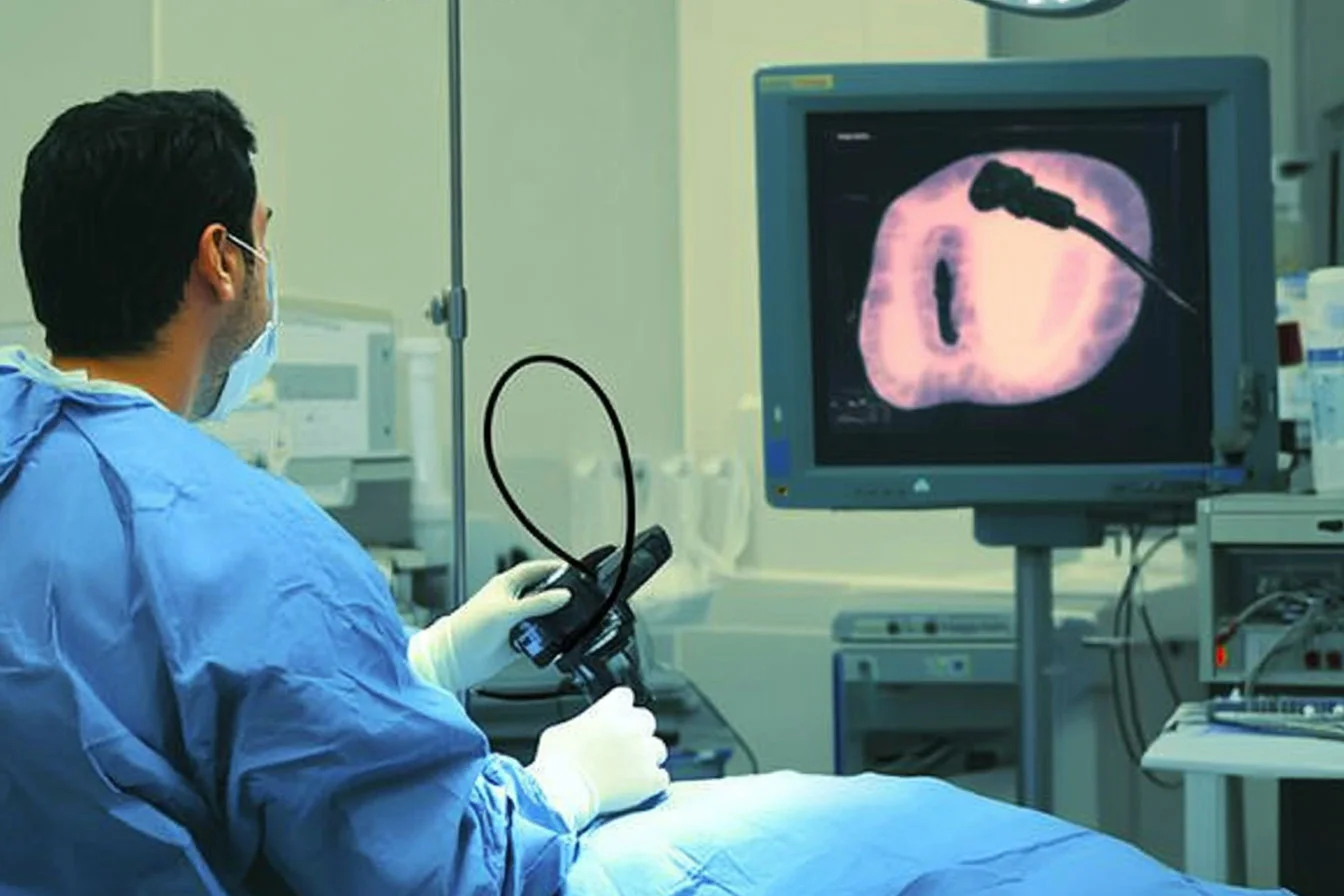
Introduction to Flexible Endoscopes in Urology
Urology is the branch of medicine dealing with the urinary tract and male reproductive organs. In this field, advances such as flexible endoscopes have changed diagnostics and treatment. They allow precise examinations that put less strain on patients. This guide explains the uses of flexible endoscopes in urology, their benefits and the developments ahead.
What is a Flexible Endoscope?
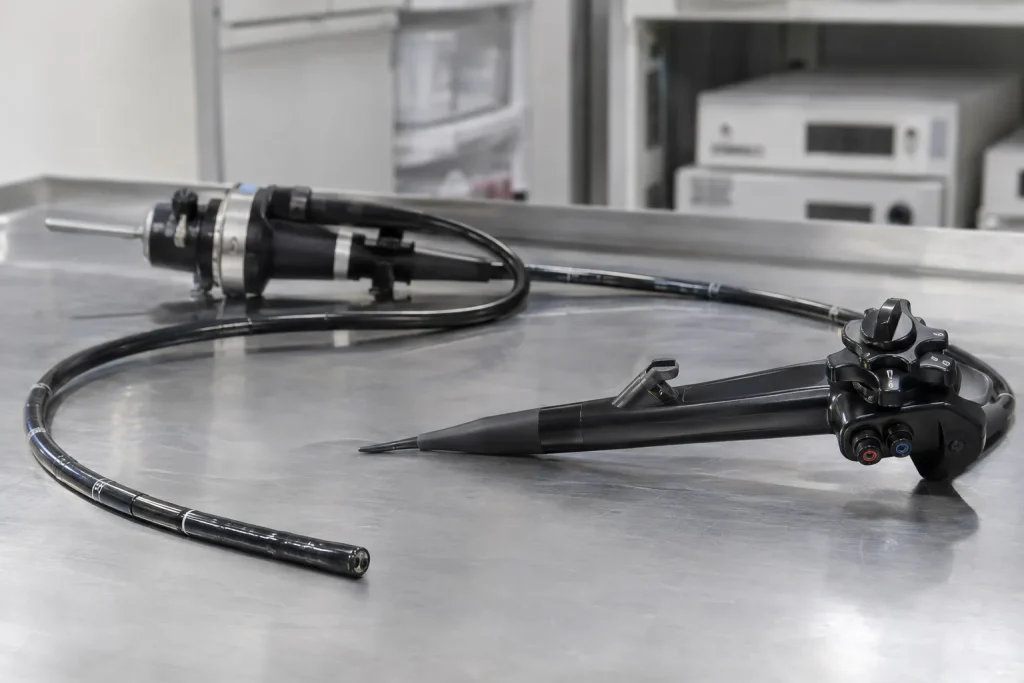
A flexible endoscope is a slender, bendable instrument equipped with a high-resolution camera and a light source. Its design lets it navigate the body’s intricate pathways, so doctors can visualize and treat areas that would otherwise require more invasive techniques. This is especially important in urology, because doctors need to reach narrow structures such as the ureters and bladder.
Key Features of Flexible Endoscopes:
- Flexibility and Maneuverability: The device can easily bend to match the natural curves of the urinary tract.
- High-definition Imaging: Provides clear visualization of internal structures.
- Minimally Invasive: Reduces the need for open surgeries and also shortens recovery time.
- Accessory Channels: Allow for the insertion of instruments for procedures such as stone removal and biopsy.
Applications of Flexible Endoscopes in Urology
1. Diagnosis of Urological Conditions
Urologists often use flexible endoscopes for diagnosis. In cystoscopy, for example, the doctor inspects the bladder and urethra with these instruments to identify abnormalities such as tumors, strictures, or inflammation. The image quality supports urologists in making a diagnosis and planning treatment.
2. Treatment of Kidney Stones
In ureteroscopy, a common urological procedure, the urologist first passes a flexible endoscope through the urethra and bladder to reach the ureter and kidneys. Urologists use this procedure to diagnose and treat kidney stones, a common condition that can cause severe pain. With a laser guided through the endoscope, they can then fragment and remove stones without open surgery.
3. Management of Tumors
Flexible endoscopy also has a role in treating tumors within the urinary tract. It allows targeted biopsies and, in some cases, tumor removal. Compared with open surgery, this approach is less invasive, and patients often recover more quickly.
Benefits of Using Flexible Endoscopes in Urology
Patient Comfort
Unlike rigid endoscopes, flexible endoscopes conform to the natural pathways of the urinary tract, which patients usually find less uncomfortable. As a result, many patients tolerate procedures such as cystoscopy better, and in some cases these procedures can take place without sedation or anesthesia.
Image Quality and Diagnosis
Modern flexible endoscopes provide high-definition images that show tissue in detail and therefore support an accurate diagnosis. Early detection of urological diseases can make treatment easier and help avoid complications.
Reduced Recovery Time
Minimally invasive procedures using flexible endoscopes often lead to shorter hospital stays and faster recovery times. This aspect is particularly appealing for patients who want to return to normal activities as soon as possible.
Cost-effectiveness
Equipment for flexible endoscopy can require a high initial investment. However, shorter operating room times and hospital stays can lower overall costs. In addition, fewer complications and repeat procedures can mean long-term savings for healthcare providers and patients.
The Future of Flexible Endoscopy in Urology
Advancements in technology continue to push the boundaries of what flexible endoscopes can achieve. Innovations such as robotic-assisted endoscopy and the integration of artificial intelligence (AI) aim to make procedures more precise and personalized. AI, for instance, can help identify suspicious lesions during an endoscopic procedure, assisting urologists in making quicker, data-driven decisions.
Conclusion
Today, flexible endoscopes in urology are an established tool for diagnosing and treating many conditions. High-definition imaging, greater patient comfort and shorter recovery times have changed how urologists carry out procedures. As the technology develops further, more improvements are likely. If a flexible scope is damaged, our guide on whether to repair or replace a flexible endoscope helps you decide.
Ratings and Reviews