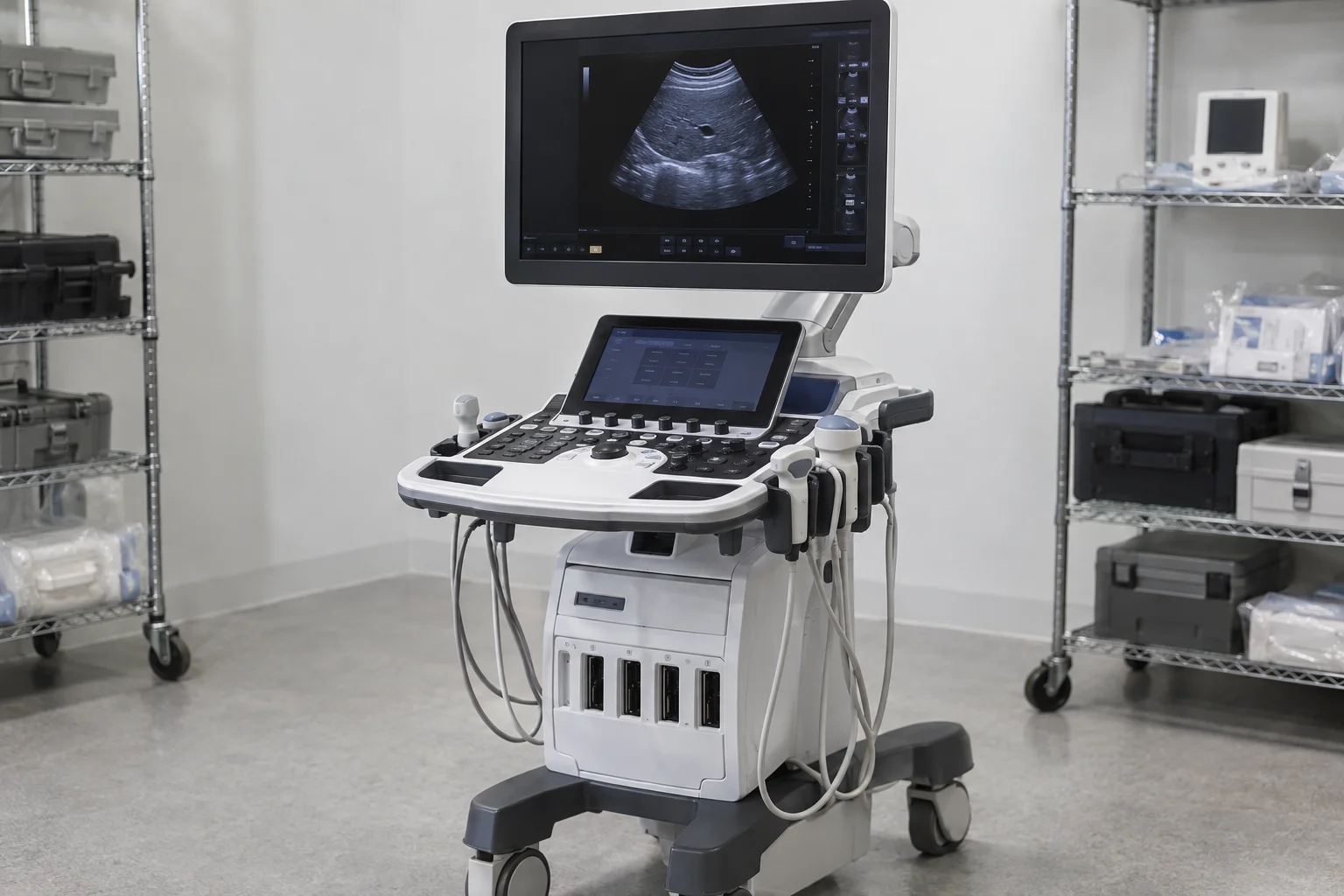
Used medical equipment total cost of ownership is the full buying cost after the quoted sale price. For a pre-owned device, that usually means freight, rigging, installation, site-readiness work, acceptance testing, calibration, commissioning support, training, software or connectivity work, parts, consumables, and service cover. If you leave those lines out of a capital request, the cheapest offer on paper can become the most expensive one to approve and operate. So the right comparison is not unit price alone. It is the full budget your finance team will review before sign-off.
What costs land after the purchase price on a used device?
Start with delivery. Then add every activity needed to place the system into service at your site. In practice, that often includes crating, transport, insurance, unloading, internal movement, and any special handling needed to reach the room. For larger systems, manufacturers’ site-planning documents commonly call out rigging, special handling, and site-readiness tasks before installation can begin. GE HealthCare’s site planning guidance is one example of the planning work a large system can need before installation.
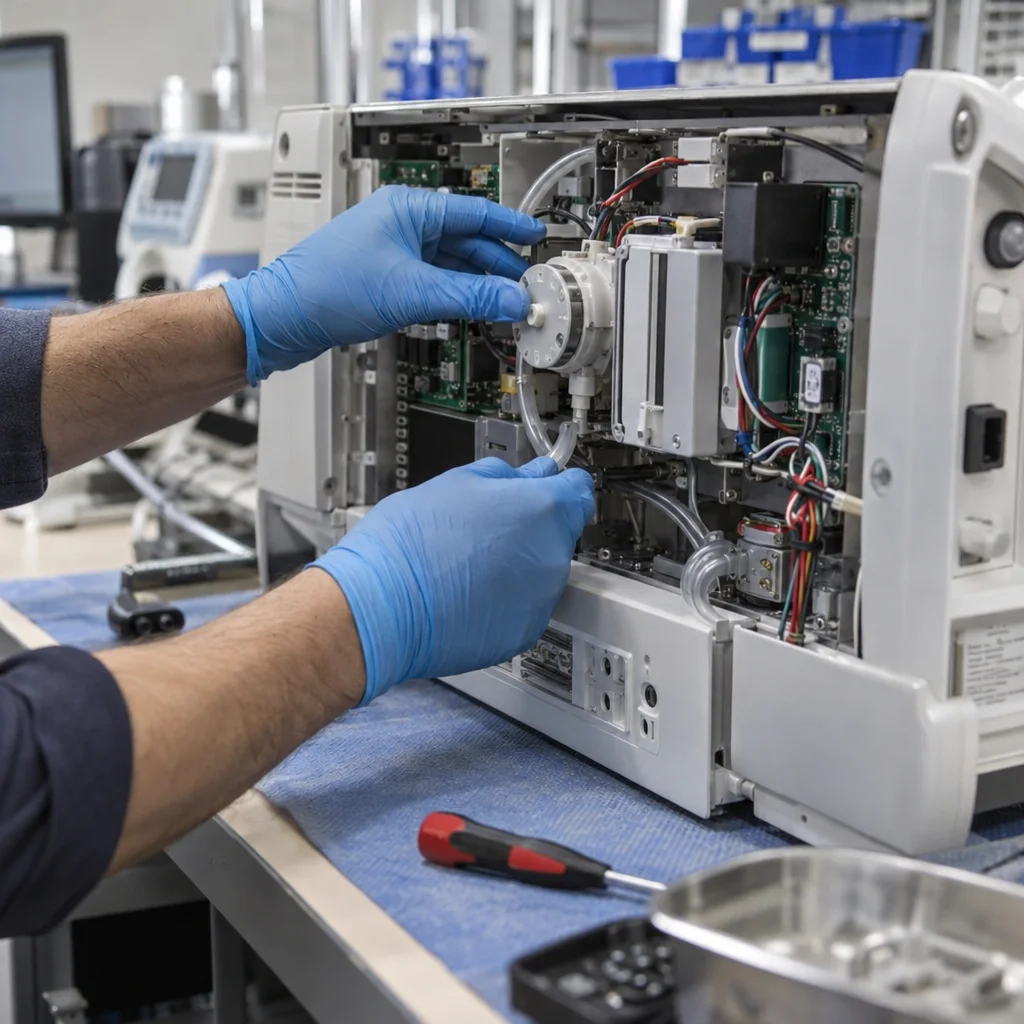
Next, budget for technical work after arrival. That can include deinstallation support at the origin, reinstallation at your facility, electrical or mechanical checks, network connection, configuration, accessory fit-out, and any third-party contractor time. In addition, the buying facility should carry the cost of acceptance testing, calibration, and clinical commissioning after delivery. Those tasks are part of the buyer’s own responsibility before initial use.
There may also be paperwork costs inside your organisation. For example, procurement may need internal engineering review, facilities sign-off, IT review, and finance approval. Those do not change the supplier invoice, but they do affect the real project budget and timeline. Therefore, build your request around the used medical equipment total cost of ownership, not only the purchase order value.
How do you price in freight, rigging and installation?
Ask each seller to separate logistics from the equipment line. You want a written breakdown for collection, export packing where relevant, freight, insurance, unloading, internal transport, rigging, installation labour, and any excluded site works. This matters because one quote may include project handling that another leaves for the buyer to arrange. As a result, two similar device prices can hide very different delivered costs.
Also ask what your site must provide before the installer arrives. Manufacturers’ planning documents routinely refer to room readiness, power, access routes, lifting arrangements, and other pre-installation conditions. If your facility must book contractors, move doors, reinforce routes, provide lifts, or coordinate out-of-hours access, those are buyer costs. If you are still defining scope, it helps to map the requirement against the seller’s delivery proposal and your internal facilities plan. When needed, involve a partner that can support sourcing and coordination through a medical equipment purchase service.
What should you budget for parts, consumables and service cover?
First, separate immediate recovery costs from ongoing operating costs. Immediate costs are the items needed to hand over a complete, usable system in the agreed configuration. That may include probes, cables, transducers, monitors, tables, footswitches, holders, batteries, carts, or other accessories, depending on device type. If a pre-owned offer omits one of those items, the missing piece usually reappears later as an urgent spend request.
Then list the first-year support lines. These often include preventive maintenance, call-out cover, labour, travel, replacement parts, loan components where available, and required test equipment access through your own service provider. Keep warranty as a budget line only, and check its terms with our guide to the refurbished medical equipment warranty. Do not assume it removes the need for post-installation spend, because coverage scope, response conditions, exclusions, and travel costs vary by offer.
Consumables need their own line as well. Some devices need recurring items from day one, while others mainly create periodic replacement demand. Either way, a low purchase price can lose its appeal if consumables are hard to source, approved substitutes are limited, or lead times are long. Therefore, ask procurement, users, and biomed to confirm supply routes before approval. Our guide on medical equipment spare parts availability shows how to check them.
Finally, plan how you will support the device after handover. If you need inspection, maintenance, repair coordination, or workshop input, include that path in the budget model from the start. A practical way to frame this is as a support package rather than a vague contingency. Our guide on when to repair or replace medical equipment helps you size it. For facilities that need technical help across brands and categories, our repair and maintenance service can sit alongside the purchase budget as a defined cost line.
How do you compare two used offers on total cost rather than headline price?
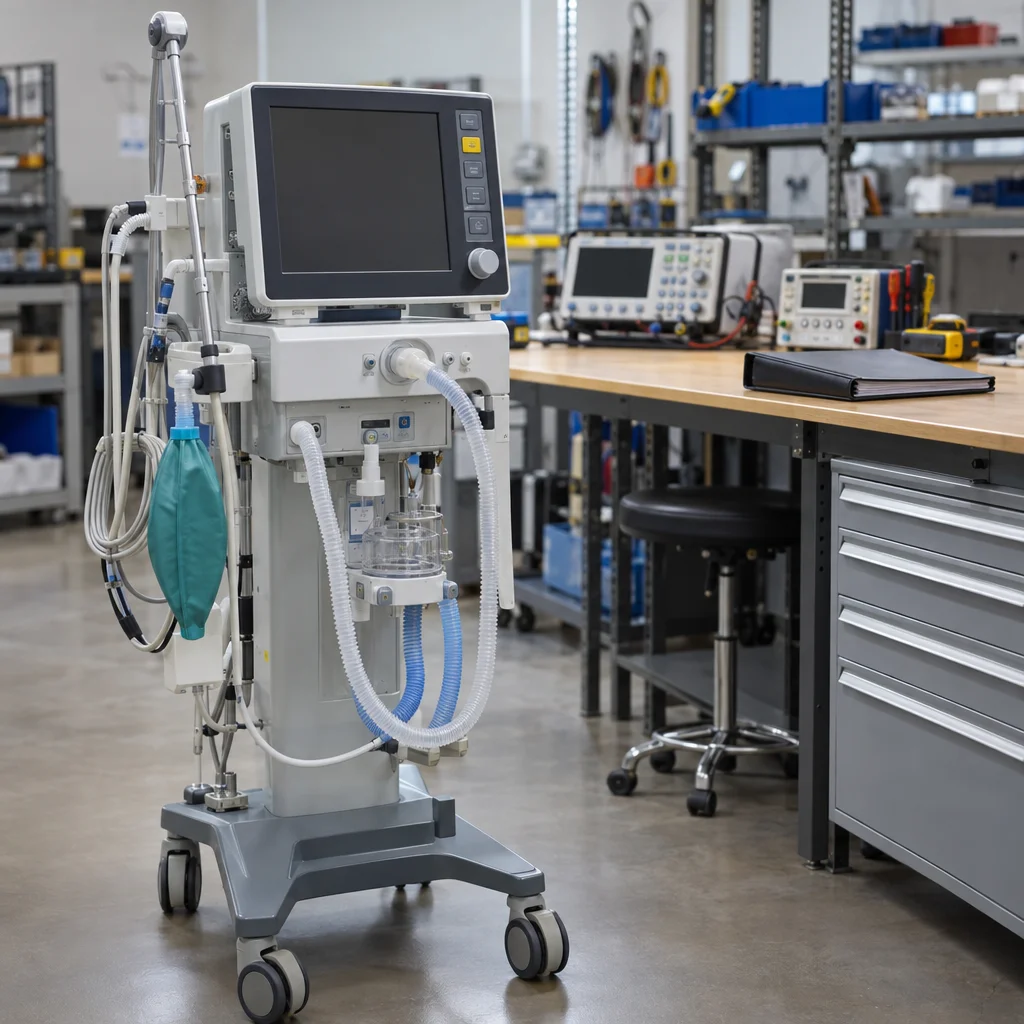
Use a simple side-by-side sheet that shows the used medical equipment total cost of ownership for each offer. Put the equipment price in the first row, then force both offers through the same cost headings: logistics, site works, installation, accessories, testing and commissioning, training, parts exposure, consumables exposure, service cover, software or connectivity work, and internal project costs. If a seller says a line is included, mark it included. If the seller excludes it, enter it as a buyer cost. If the answer is unclear, leave the row open until clarified rather than treating it as zero.
Because this is a pre-owned purchase decision, pay close attention to scope gaps. One supplier may quote a lower device price but exclude probes, user training, deinstallation, or installation labour. Another may price higher but include the items that would otherwise return as separate purchase orders. In other words, you are comparing implemented solutions, not just assets in transit. Our cost comparison of new and refurbished imaging systems looks at the same question for one device group. You can browse current stock in EMTrading’s used medical equipment catalogue, but the approval case should still be built on the full delivered and supported cost.
Score risk as a budget item
It also helps to score risk as a budget issue, not only a technical issue. For example, unclear accessory scope, uncertain parts availability, long lead-time consumables, or dependence on third-party movers can all create follow-on cost. You do not need to invent percentages to show that risk. Instead, show finance which costs are fixed, which are provisional, and which require a separate quote before order release.
Before sign-off, ask four final questions. What must we pay before delivery? What must we pay to install? What must we pay before first use? What must we pay during the first year? If every line has an owner and a source, your capital request is far more likely to survive finance review without last-minute revisions.
Practical summary
Budget the pre-owned device as a project, not as a box with a price. Include freight, rigging, installation, site readiness, acceptance testing, calibration, commissioning, accessories, training, service cover, parts exposure, and consumables from the start. Then compare offers on the same cost structure. That is the clearest way to keep the used medical equipment total cost of ownership under control and to stop a cheap-looking quote becoming the expensive one after approval.
Comparing offers for a used device? Contact EMTrading and ask for a quote with delivery, installation and accessories listed separately.
Ratings and Reviews