Gel Positioning Pads for Patient Positioning
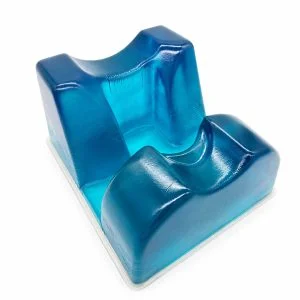
14 gel pads for positioning and pressure redistribution during surgical and clinical procedures - for the head, torso, arms, heels and seating.
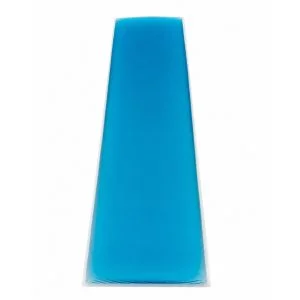
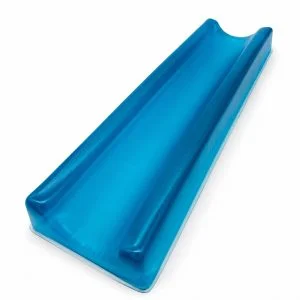
Which gel pad for which position?
Gel pads spread the patient’s weight over a larger contact area and help keep the patient stable in position during a procedure. Choosing the right pad comes down to two questions: which part of the body needs support, and which position is the patient in? The overview below groups the 14 models in the EG-100 to EG-710 range by application. Each model has its own product page above, with photos and details.
All models at a glance
| Model | Type | Typical use |
|---|---|---|
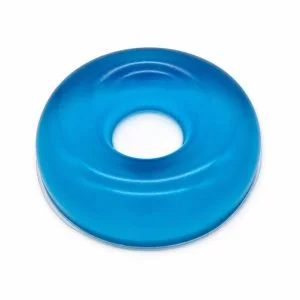
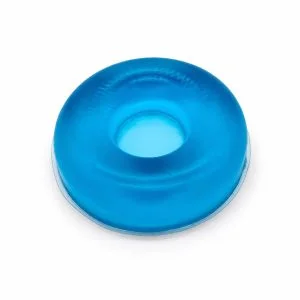
| EG-100 | Head ring, closed, adult | Supine position, even support around the occiput |
| EG-110 | Head ring, closed, children | Supine position for smaller anatomy |
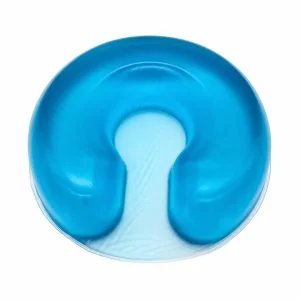
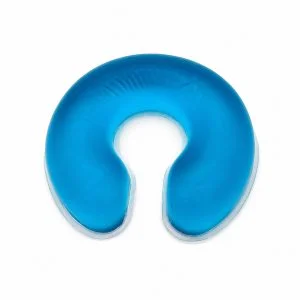
| EG-130 | Head ring, open, adult | Supine position with access to the face and airway |
| EG-140 | Head ring, open, children | Procedures that need anterior access |
| EG-160 | Prone head support | Prone position, off-loads forehead and cheeks |
| EG-200 | Body pad | Torso and hips, helps control roll and tilt |
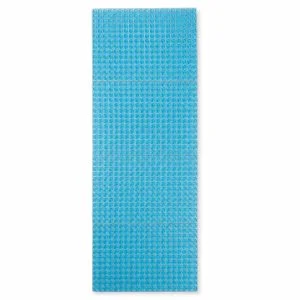
| EG-220 | Body pad, textured | As EG-200, with a textured surface against slipping |
| EG-300 | Chair pad | Pre- and post-op chairs, clinic chairs |
| EG-310 | Chair pad, textured | Inclined or smooth seats |
| EG-400 | Lateral pad | Lateral position, support at the costal margin and iliac crest |
| EG-500 | Shoulder pad | Beach-chair and lateral setups |
| EG-600 | Heel pad | Off-loading the heel during long procedures |
| EG-700 | Armboard pad | Forearm and hand on the armboard |
| EG-710 | Lateral armboard pad | Abducted or lateral arm positions |
Positioning by body region
Head
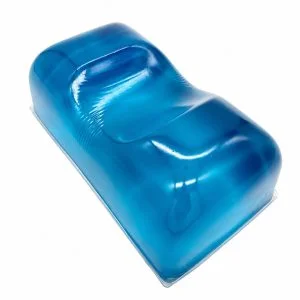
For the supine position there are closed and open head rings, each in an adult and a children’s size. The closed rings EG-100 and EG-110 surround the occiput completely and spread the contact evenly. The open rings EG-130 and EG-140 are C-shaped and leave the area in front of the face free - useful when access to the face or airway is needed during the procedure. The EG-160 head support is designed for the prone position. It off-loads the forehead and cheeks, keeps the cervical spine in neutral alignment and fits common prone frames.
Torso and lateral position
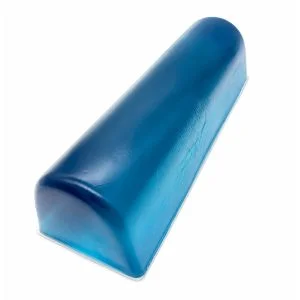
The EG-200 body pad is a general-purpose positioner for the torso and hips. Its broad contact area spreads the load along the trunk and flanks and helps control roll and tilt. The textured EG-220 does the same job but holds better on smooth surfaces. For the lateral position, the contoured EG-400 supports the body along the costal margin and iliac crest and adds lateral stability. The EG-500 shoulder pad is used in beach-chair and lateral setups and spreads the load over the acromion and deltoid region.
Arms
The EG-700 armboard pad is a flat pad with a gentle cradle for the forearm and hand. It reduces edge pressure around the ulnar nerve, where the arm rests on the edge of the armboard. For abducted or lateral arm positions, the wider EG-710 provides a larger contact area that shares the load more evenly during longer procedures.
Heels
The EG-600 heel pad off-loads the heel bone during long procedures without changing the alignment of the leg.
Seating
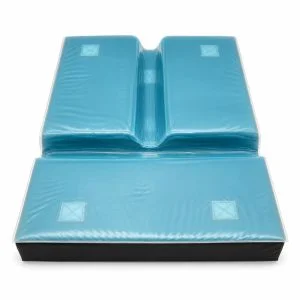
Not all positioning happens on the operating table. The EG-300 chair pad is made for pre- and post-op chairs and clinic chairs and spreads the load across the seat bones. The textured EG-310 also keeps patients centred on inclined or smooth seats.
Smooth or textured?
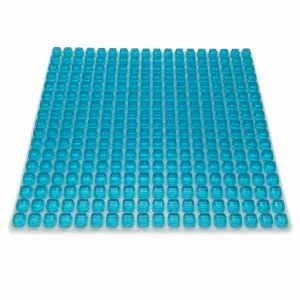
Two models have a textured surface: the EG-220 body pad and the EG-310 chair pad. They work like the smooth EG-200 and EG-300. The texture adds grip when the patient lies or sits on a smooth or inclined surface.
Combining pads
In practice, several pads are usually used together. A few examples:
- Supine: head ring (EG-100 or EG-130), EG-700 armboard pad, EG-600 heel pad
- Prone: EG-160 head support, EG-200 or EG-220 body pad
- Lateral: EG-400 lateral pad, EG-500 shoulder pad, EG-710 lateral armboard pad
The final selection depends on the procedure and your facility’s positioning protocol.
Advice and quotes
Need dimensions, material details or a quote for several models? Our team in Hamburg is happy to help - via the enquiry button on each product page or our contact form.