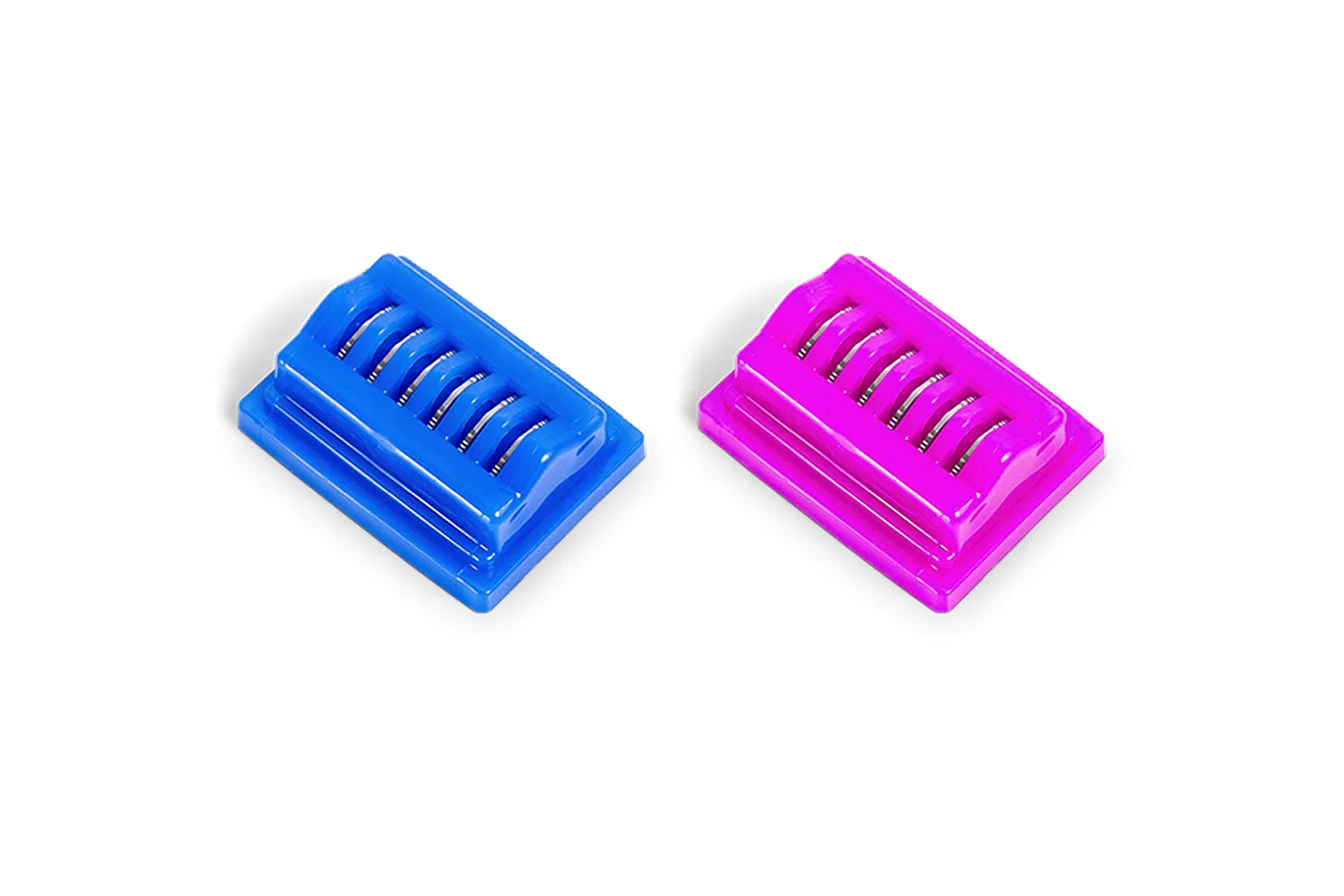
In surgical procedures, the choice of suitable ligating clips plays an important role. Ligating clips serve as essential tools for controlling bleeding by clamping and occluding blood vessels or other tubular structures during surgery. However, the clips differ considerably. Knowing how to choose ligating clips that match your specific surgical needs therefore gives you a good basis for safe and efficient procedures. Below, we take a detailed look at the key factors to consider when selecting the right ligating clips for your practice.
1. Understand the Different Types of Ligating Clips
Metal Ligating Clips
Metal clips usually consist of titanium or stainless steel and are firm and durable. Because their design resists deformation and holds securely on the vessel, surgeons use them in a wide range of procedures.
Polymer Ligating Clips
Polymer or plastic clips are lightweight. They are an option when you want to avoid imaging interference. Because they contain no metal, they cause fewer artifacts in MRI scans. For procedures with planned follow-up imaging, they are therefore an obvious choice.
Absorbable Ligating Clips
Absorbable clips typically consist of polyglycolic acid (PGA) or polydioxanone (PDO), and the body breaks them down over time. They suit cases where no permanent implant material should remain in the body.
By understanding each type, you can make an informed decision on how to choose ligating clips based on the specific surgical requirements and patient considerations.
2. Choose Ligating Clips by Size and Closure Strength
First, size matters. Larger clips suit bigger vessels, while smaller clips better fit delicate structures. Therefore, match the clip size to the vessel caliber so the closure holds without damaging surrounding tissue. Closure strength is equally important. Some clips have their own locking mechanisms, which aim to improve the hold and lower the risk of slippage or incomplete occlusion.
3. Evaluate Biocompatibility and Safety
Biocompatibility is essential for any medical device that remains in the body. Always verify that your ligating clips meet the applicable standards and labeling requirements, such as CE marking in Europe. In addition, check the manufacturer’s information on materials and known intolerances.
4. Choose Ligating Clips with Imaging Compatibility in Mind
Certain surgeries or follow-up procedures require imaging techniques such as MRI, CT, or X-ray. If these scans belong to your patient’s follow-up plan, polymer clips or clips of non-ferromagnetic metal are a sensible choice. That way, image distortion stays low and the images remain easier to assess.
5. Ease of Application and User Experience
However you choose ligating clips, ease of application should rank high on the list. Ergonomically designed applicators and clips can make the surgical workflow smoother and reduce fatigue and handling errors. Some systems also use color coding, so surgeons can quickly identify clip sizes and materials even under time pressure.
6. Manufacturers of Ligating Clips
Many hospitals source ligating clips from established manufacturers. Internationally known suppliers include:
- Ethicon (Johnson & Johnson): Metal and absorbable clips with locking mechanisms.
- Weck (Teleflex): A wide range of polymer and metal clips for various surgical applications.
- B. Braun: Surgical instruments, including ligating clip systems.
- Medtronic: Clips and appliers for different procedures.
7. Balance Cost and Quality
Cost matters to every healthcare facility. However, the cheapest solution is not automatically the best one. Besides the unit price, also assess how the clips perform in use, for example how often clips fail or need to be reapplied. Then weigh the initial investment against possible follow-up costs, for example from clip failures or reoperations.
8. Conclusion: How to Choose Ligating Clips
Deciding how to choose ligating clips for your specific medical procedures involves a careful assessment of material, size, closure strength, imaging compatibility, and supplier reputation. Above all, pay attention to biocompatibility, ease of application, and consistent quality in use.
At EMTRADING, you will find a selection of ligating clips for different clinical requirements. Our team is happy to advise you on the choice for your practice. Contact us if you would like to learn more about our product range.
Ratings and Reviews