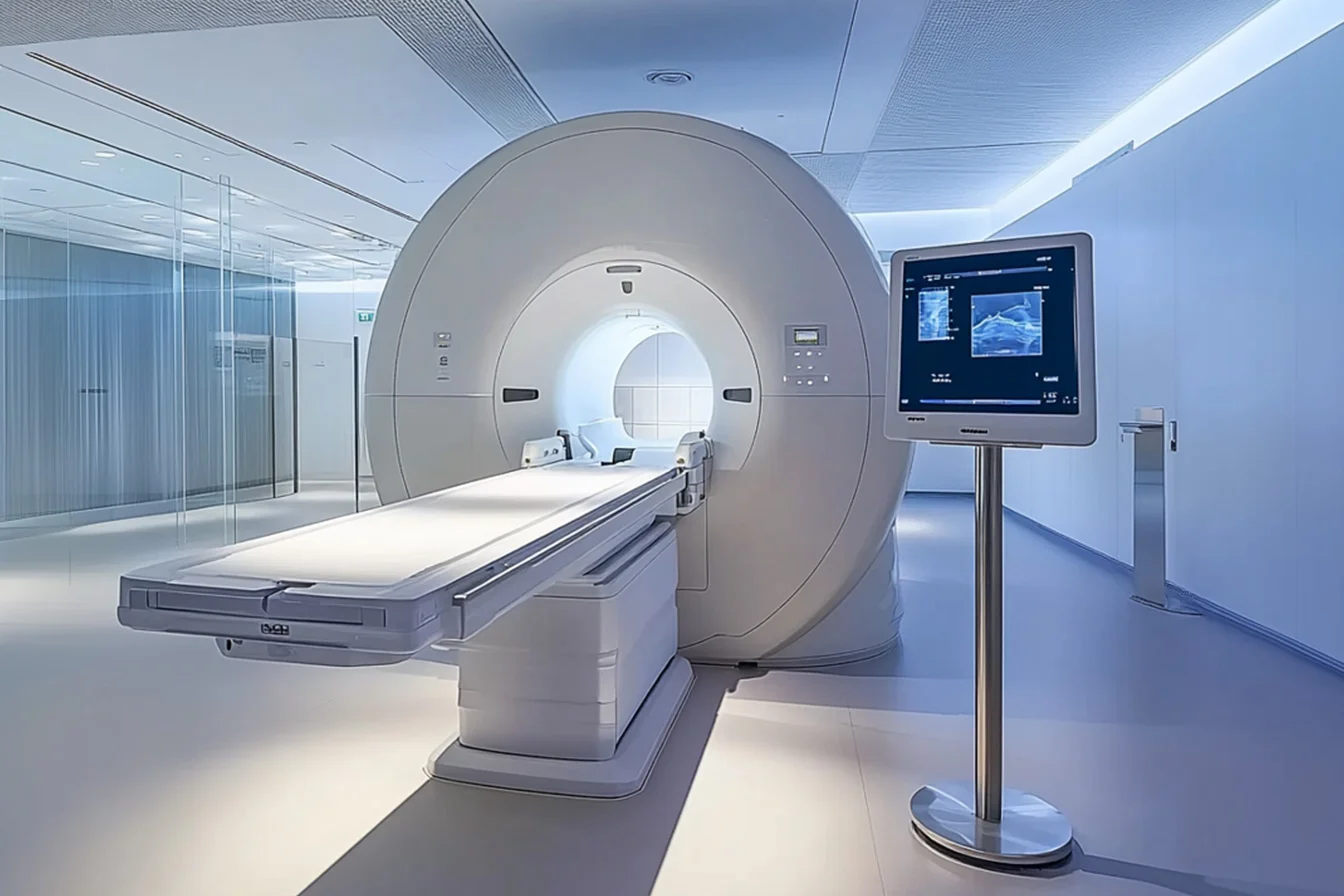
Diagnostic devices have developed considerably in recent years. New technologies are changing how clinicians detect and treat diseases, and they aim to make diagnostics more precise, faster and easier to access. In this article, we therefore present the latest diagnostic device technologies that already play a role in practice.
Portable Diagnostic Devices for Flexible Use
Portable diagnostic devices make quick testing possible, even in remote and underserved areas.
Example: Butterfly iQ+
This handheld ultrasound device connects to a smartphone and provides images directly at the point of care. Clinicians use it, for example, in emergency diagnostics and prenatal care.
Key Features:
- Compact and lightweight design
- Smartphone integration for ease of use
- Comparatively low purchase cost
AI-Powered Diagnostic Tools
Artificial Intelligence (AI) is changing accuracy and efficiency in diagnostics. These tools analyze large volumes of data and, as a result, help to detect diseases earlier.
Example: IDx-DR
An FDA-approved AI system for detecting diabetic retinopathy, IDx-DR analyzes retinal images and provides immediate results.
Key Features:
- Automated analysis of retinal images
- Reduces dependency on specialists
- Saves time before treatment begins
Wearable Health Monitors for Patients
Wearable devices go beyond fitness tracking because they offer continuous health monitoring. In addition, their real-time data supports patients and doctors in managing chronic conditions.
Example: Dexcom G6
A continuous glucose monitoring (CGM) system that tracks glucose levels in real-time and thus makes diabetes management easier for patients.
Key Features:
- Real-time alerts for glucose fluctuations
- No need for frequent fingerstick tests
- Integration with smartphones and smartwatches
Lab-on-a-Chip Technology: Compact Diagnostic Labs
Lab-on-a-Chip (LOC) technology miniaturizes laboratory functions onto a single chip. As a result, it enables rapid and cost-effective diagnostics.
Example: Cepheid GeneXpert
Used for testing infectious diseases like tuberculosis and COVID-19, this device provides results in under two hours with minimal sample processing.
Key Features:
- High-speed testing with small sample volumes
- Easy to use in resource-limited settings
- Results to support time-critical decisions
Point-of-Care Diagnostic Devices: Results at the Bedside
Point-of-care testing devices deliver results directly at the patient’s bedside. This shortens the diagnostic process and also supports quick decisions.
Example: Abbott i-STAT
This handheld blood analyzer performs a wide range of tests, such as blood gases and cardiac markers, within minutes.
Key Features:
- Portable design for use in critical care
- Broad testing capabilities
- More efficient workflows in emergency care
Advanced Imaging Technologies for Detailed Visualization
New imaging technologies offer detailed insights into the human body. Consequently, they support early diagnosis and precise treatment planning.
Example: GE Voluson E10
GE built this ultrasound system for obstetrics. It also provides real-time, high-resolution images to monitor fetal health.
Key Features:
- Real-time imaging as a basis for diagnosis
- Specialized modes for detailed analysis
- User-friendly interface
Genetic and Molecular Diagnostics for Personalized Medicine
Technologies like next-generation sequencing (NGS) and CRISPR enable precise genetic analysis and thus pave the way for personalized medicine.
Example: Illumina MiSeq
This sequencing platform identifies genetic mutations, so that doctors can create customized treatment plans for patients.
Key Features:
- High-throughput sequencing for detailed insights
- Used in cancer diagnostics and for rare diseases
- Supports personalized medicine
Conclusion: The Latest Diagnostic Devices at a Glance
The latest diagnostic device technologies focus on precision, speed and accessibility. From portable tools to AI-driven systems, they give healthcare professionals new tools for diagnosis and care.
You can find more articles on current medical technologies at EmTrading.

Ratings and Reviews