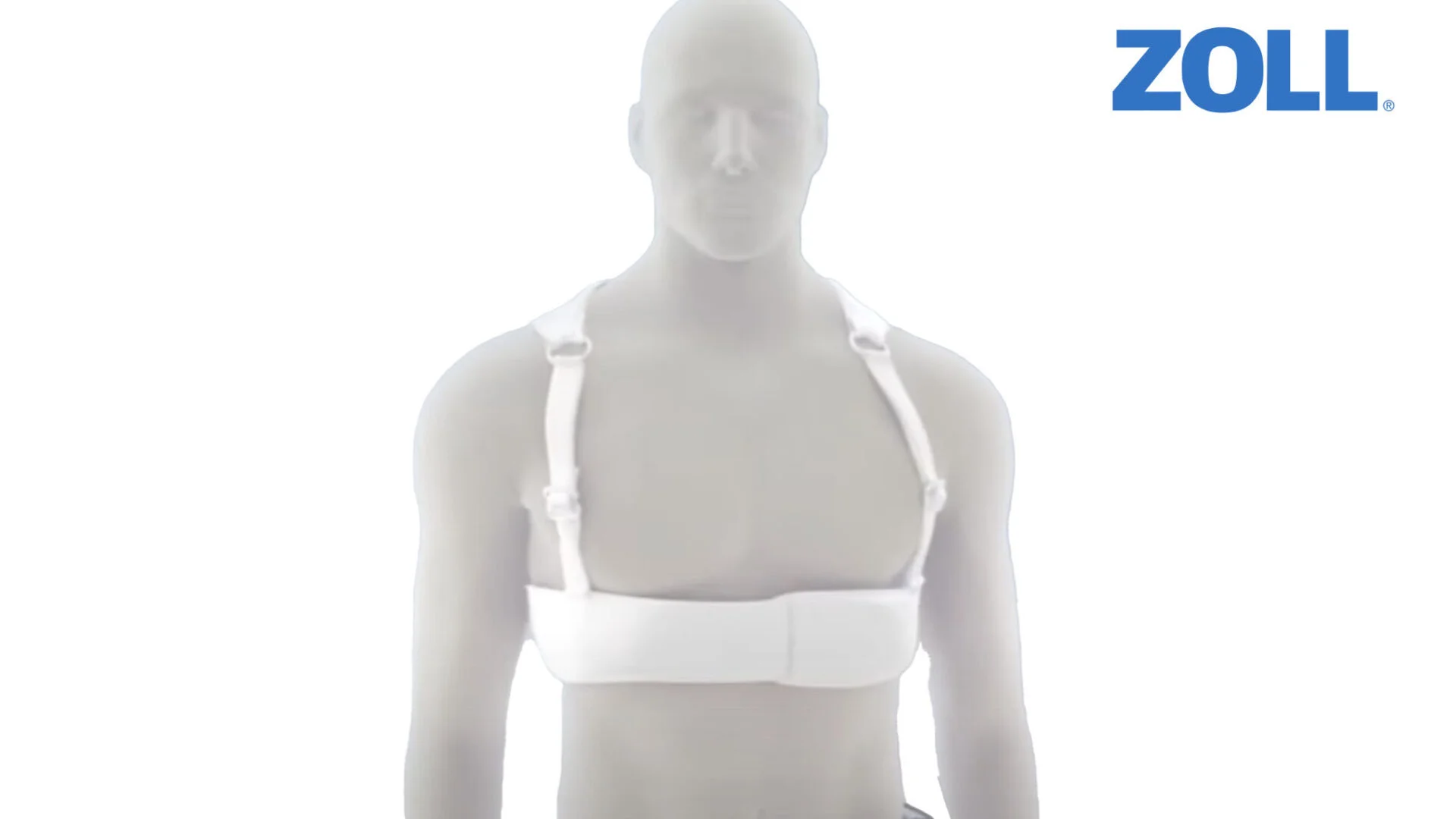
Medical technology has advanced considerably in recent years, and one example is the ZOLL LifeVest. This wearable defibrillator is intended for patients at increased risk of sudden cardiac arrest (SCA). It monitors the heart rhythm continuously and delivers a shock in an emergency.
What is a LifeVest?
The LifeVest is a wearable cardioverter defibrillator (WCD) for individuals who face a high risk of SCA but cannot yet receive a permanent implantable device. Unlike an implant, the patient wears the LifeVest externally. It monitors the heart rhythm continuously and can respond immediately without the need for surgery.
To do this, the device tracks the heart’s electrical activity and delivers a shock when dangerous arrhythmias occur. Therefore, it offers additional protection during critical recovery periods.
What is the LifeVest used for?
Sudden cardiac arrest is one of the leading causes of death globally. Moreover, survival often depends on how quickly treatment restores the heart rhythm. The LifeVest addresses this challenge by bridging the gap between diagnosis and long-term treatment.
Key Benefits of the LifeVest
- Round-the-Clock Monitoring
The LifeVest observes the heart rhythm without interruption. - Automatic Defibrillation
If the device detects a life-threatening arrhythmia, it delivers a shock immediately to restore the heart’s normal rhythm. - Non-Invasive Alternative
Since the device is wearable, it requires no surgical implantation. - Reassurance for Patients and Caregivers
Many patients and caregivers find it reassuring that protection against sudden cardiac events is in place.
Who Should Use the LifeVest?
Doctors often prescribe the LifeVest for:
- Patients recovering from a heart attack
- Individuals with cardiomyopathy or severe heart failure
- Those awaiting permanent implantable devices
- Patients unable to undergo surgery
For these groups, the LifeVest serves as temporary protection during periods of increased risk.
How Does the LifeVest Work?
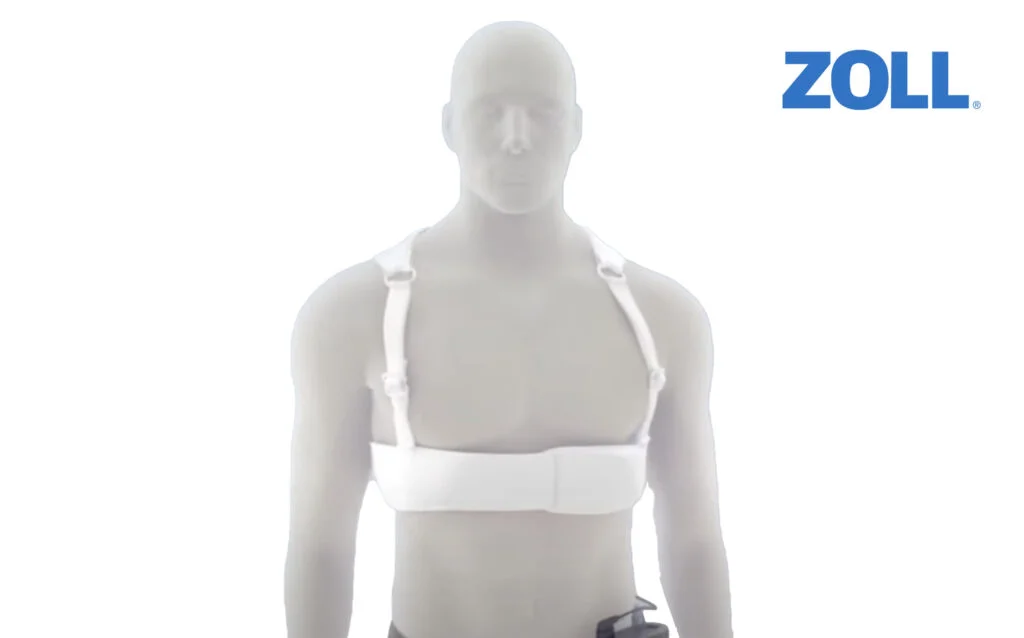
This device consists of a lightweight garment with built-in electrodes and a portable monitor worn at the waist. Together, they work in three main steps:
- Heart Rhythm Detection
The electrodes continuously monitor the heart’s electrical activity, searching for abnormalities. - Warning System
When the device detects a dangerous rhythm, it issues audible and tactile alerts, giving the wearer a chance to respond. - Shock Delivery
If the wearer does not respond in time, the device automatically delivers a shock to restore normal rhythm.
This way, treatment can take place in time, even when no one else is around.
Wearable Medical Technology
The LifeVest belongs to a growing group of wearable medical devices. These devices combine everyday practicality with continuous monitoring.
Other Examples of Wearable Medical Devices
- Continuous Glucose Monitors help individuals with diabetes keep track of their blood sugar.
- Wearable ECG Trackers allow patients to monitor heart health and detect issues early.
- Smart Inhalers support the management of asthma and COPD.
As wearable medical technology evolves, it will likely play an even larger role in individual care.
Conclusion
The LifeVest has become an established way to protect patients at risk of sudden cardiac arrest. By offering continuous monitoring and immediate intervention when needed, it bridges the gap between initial diagnosis and long-term care. Additionally, because it needs no implantation, it is an option for many patients.
Devices like the LifeVest show what new technology can contribute to cardiac care. For patients and caregivers, they can provide relief during critical phases.
Learn More
For detailed information on the LifeVest and whether it may be suitable for you or a loved one, visit the ZOLL Medical website.


Ratings and Reviews